

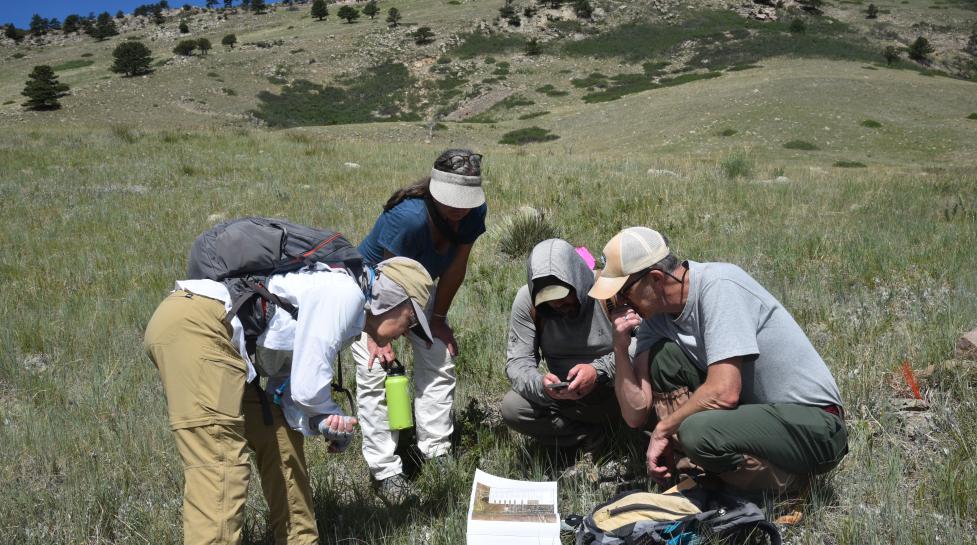
Every trail on Open Space and Mountain Parks (OSMP) lands is the result of careful planning, collaboration and design. While visitors may see a finished trail winding through the landscape, each trail represents hundreds of decisions about how to provide a great outdoor experience while protecting the natural and cultural resources that make Boulder’s open space unique.
A sustainable trail is designed to last. It provides access to desired destinations, offers an enjoyable visitor experience and minimizes impacts to the surrounding landscape. To achieve this balance, trail designers consider physical characteristics of the landscape, such as terrain, soils, wildlife habitat, rare plants, cultural resources, which construction methods are needed and long-term maintenance considerations. Additionally, trail designers consider who will be using the trail and how it will be used. Will it be used primarily by hikers and trail runners, or by mountain bikers or equestrians, or a combination of several of them? Will the trail be a short link to a viewpoint, or as a longer trail experience, perhaps connecting in with a larger trail network?
Designing for a great visitor experience
A well-designed trail feels natural and enjoyable to travel. Trail designers consider where visitors want to go, what they want to see and how they will experience the landscape along the way.
One of the most important design considerations is trail grade or steepness. While a direct route up a hillside may appear efficient, steep trails are more susceptible to erosion and thus more impactful to the landscape. Instead, trails are typically designed to climb gradually, following the contours of the land whenever possible.
Switchbacks are one tool used to create a more sustainable and enjoyable trail experience. By changing direction as a trail climbs a slope, switchbacks reduce steepness, improve sustainability and make trails accessible to a wider range of visitors.
Many people prefer steeper and more rugged trails. OSMP’s legacy trails that have been in the system for decades provide this experience, and some new trails incorporate steep, rugged sections. While these trails provide the benefit of desired challenge, they do require significantly more labor and expense to construct and maintain rock steps and drainage features to retain soils and divert water off of the trail.
Protecting natural and cultural resources
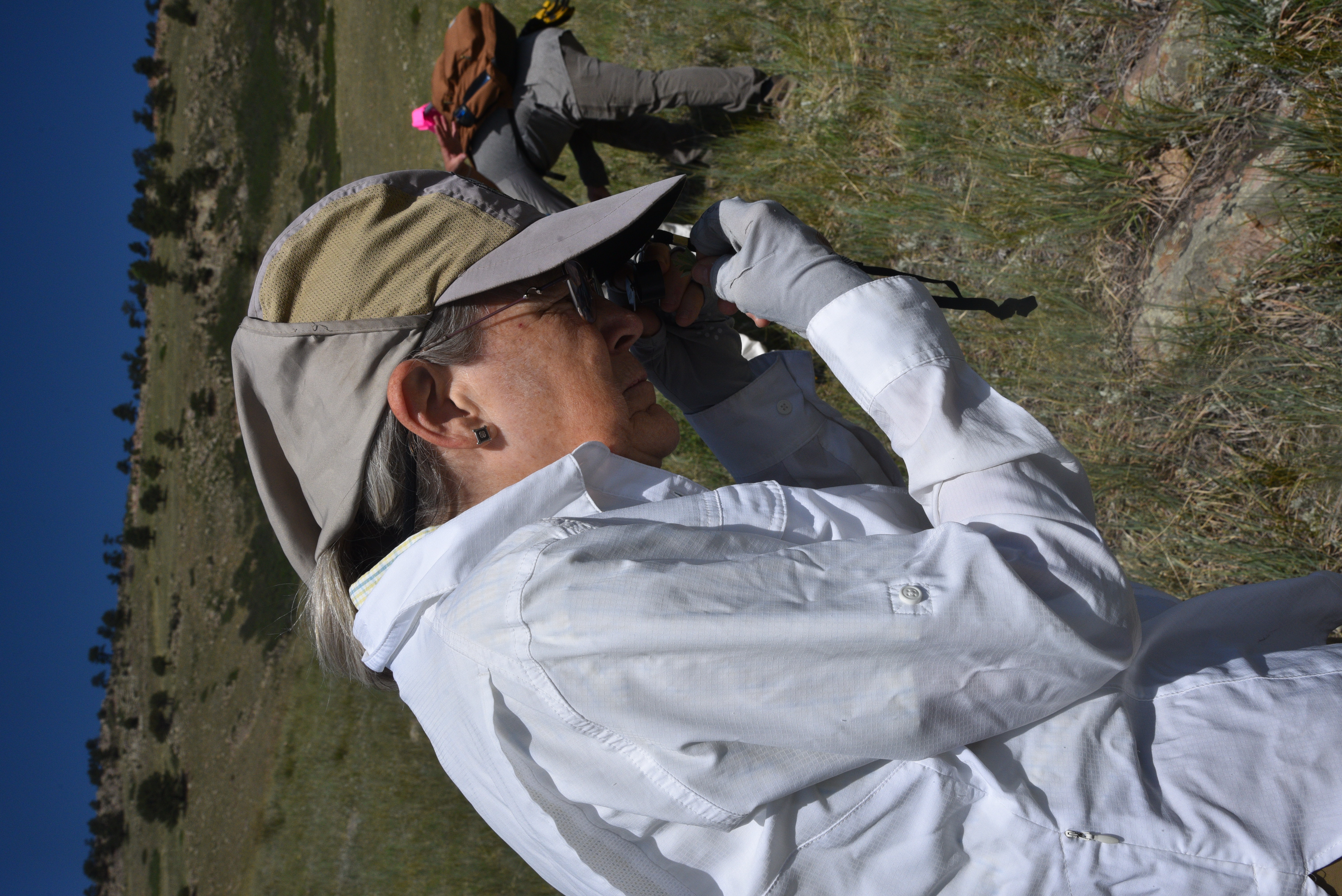
The city's trail system exists within a landscape that contains sensitive ecological communities, wildlife habitat and important cultural resources. Protecting these resources is a fundamental part of trail planning and design.
Before a trail alignment is finalized, trail designers work closely with ecologists and cultural resource specialists to understand the landscape and identify areas that may be sensitive to disturbance. This information helps guide decisions about where trails should be located and where impacts can be avoided or minimized.
This collaborative process helps protect rare plants, wetlands, wildlife habitat, nesting areas and cultural or historic sites while still providing opportunities for people to enjoy the land. In many cases, small adjustments to a trail alignment can significantly reduce impacts and improve long-term resource protection.
Expanding access to the outdoors
Trail design also plays an important role in improving access to nature for people with a wide range of abilities and recreation interests.
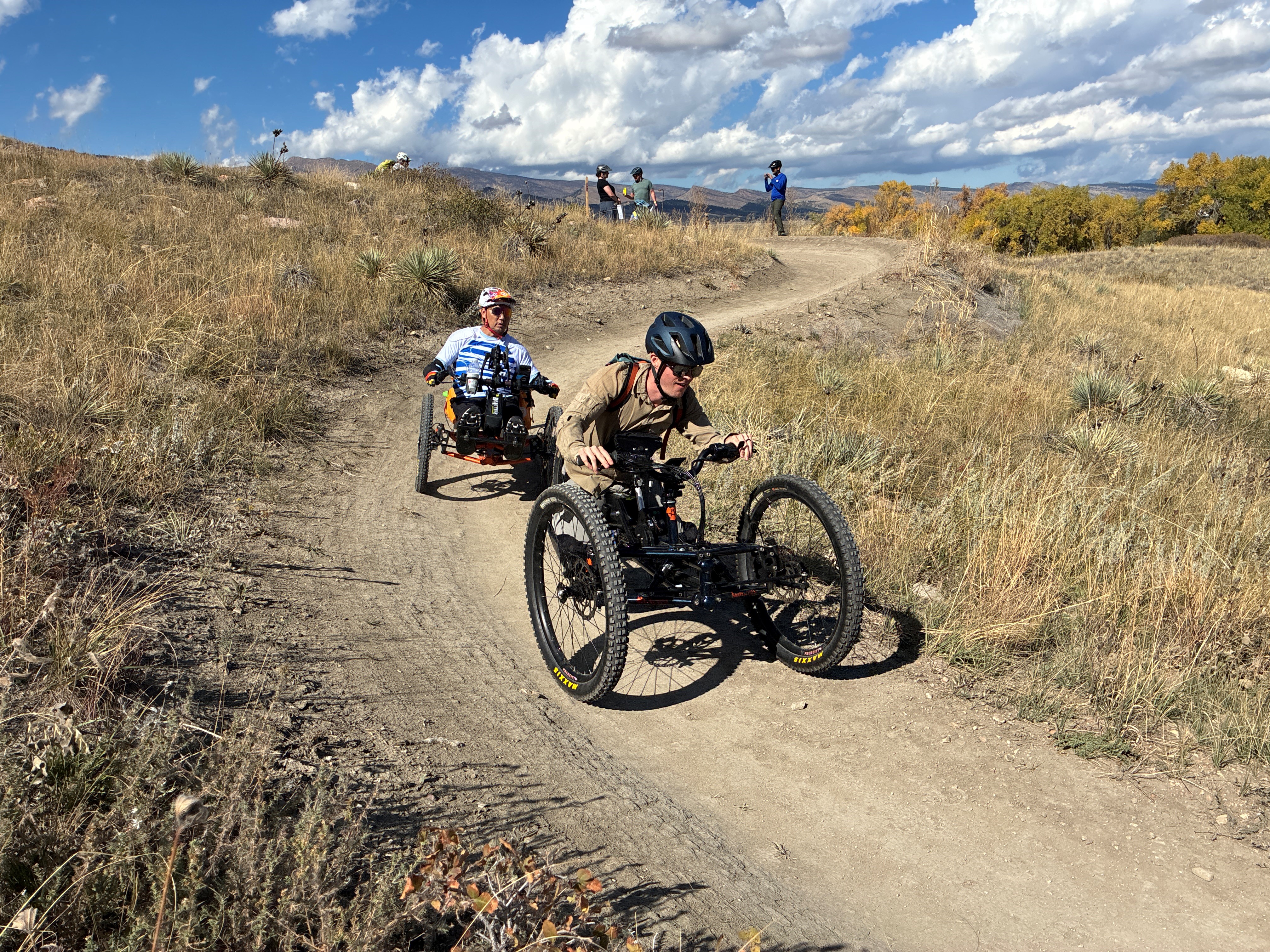
Where conditions allow, trail designers may incorporate features that support wheelchair users, people with mobility limitations, families with strollers and others who benefit from smoother and more predictable trail surfaces. Recently, OSMP has been designing and constructing a number of trails that serve adaptive mountain bike riders. Adaptive mountain bikes are 3-4 wheeled mountain bikes used by people with disabilities. These design considerations can include gentler grades, wider trail tread, stable surfaces, pull out areas after an uphill section and reduced obstacles such as rocks, roots or abrupt changes in trail surface.
By creating a variety of trail experiences across the system, the city can provide more opportunities for people of different abilities to connect with nature and enjoy the benefits of outdoor recreation.
Building trails that last
Sustainable trails are designed with the future in mind. Trail designers consider how a trail will perform not only on opening day, but after years of weather, seasonal changes and visitor use.
Soil conditions, construction techniques and long-term maintenance needs all influence trail design decisions. In some locations, gravel surfacing may improve durability. In others, stone retaining structures, steps, bridges or boardwalks may help stabilize the trail and protect surrounding resources. These features help reduce maintenance needs and allow trails to remain safe and enjoyable for years to come.
Staying on trail matters
When visitors travel off trail or go around muddy sections, new informal routes can form. Over time, these routes can damage vegetation, fragment wildlife habitat, impact cultural resources and create wider disturbed areas that are more difficult to manage and restore.
By staying on designated trails, visitors help protect the very places they come to enjoy. Sustainable trails are a partnership between the city and the community. Thoughtful design helps protect the land, and responsible trail use helps ensure that future generations can enjoy the same experiences for years to come.
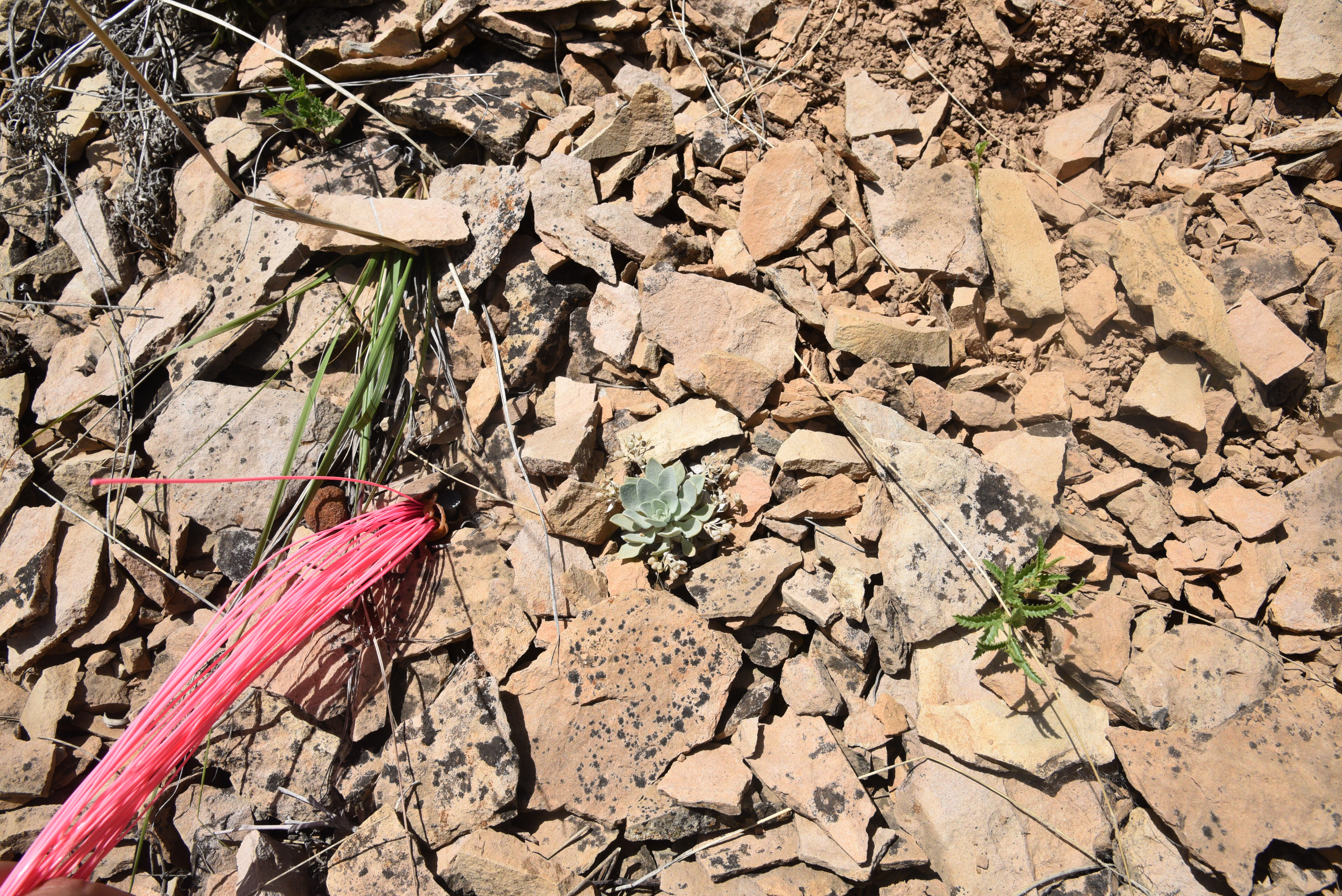
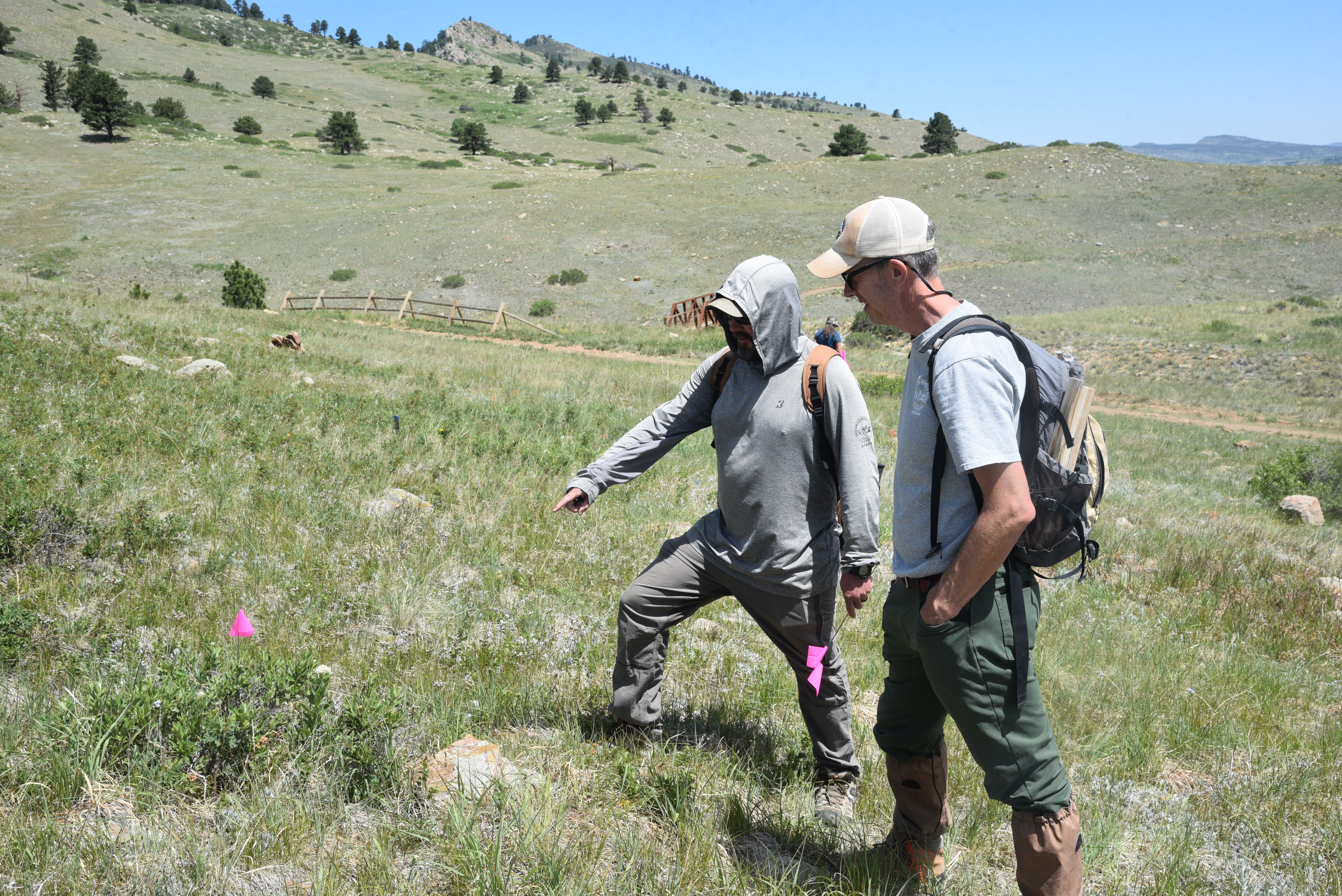
Rare Bells Twinpod plant marked for protection.
Keep Reading
News keep reading
-
City Launches Multimodal Improvements Assessment, Invites Community to Share Feedback
-
City of Boulder to Close Western Trails on Open Space and Mountain Parks (OSMP) Property Saturday, March 14
-
City Announces Seasonal Area Closures To Protect Nesting Golden Eagles
-
Panorama Point Trailhead Nightly Closure Begins Friday, Nov. 14