Reimagining Downtown Parking Garages as Mobility Hubs

The City of Boulder is exploring how five downtown parking garages can evolve into mobility hubs—places where people can easily connect between different ways of getting around, whether they arrive by car, bus, bike, scooter, rideshare, or on foot.

The grant-funded project will develop concept plans for transforming existing garages into welcoming, flexible transportation centers that improve access to downtown while supporting Boulder’s sustainability, mobility and economic vitality goals.

Funding comes from the Denver Regional Council of Governments (DRCOG) Innovative Mobility set-aside.

Project Overview

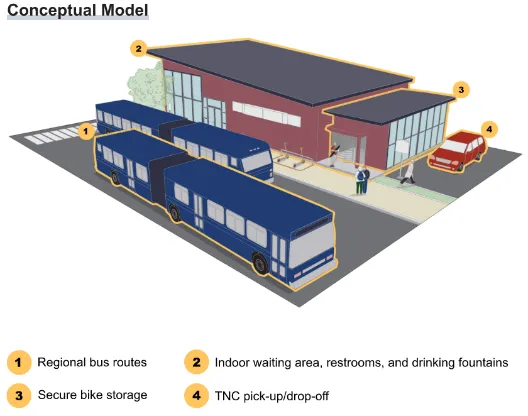
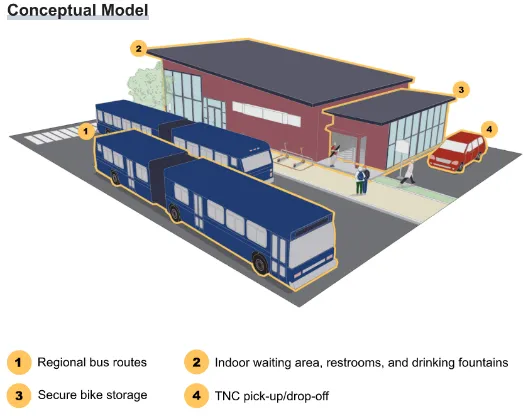
Illustration of a conceptual mobility hub showing multiple transportation options integrated into a single facility. Three regional buses stop alongside a modern building that includes indoor passenger amenities. The site features secure bicycle storage near the entrance, pedestrian walkways, and a designated transportation network company (TNC) pick-up and drop-off area. Numbered callouts identify key hub elements: regional bus routes, indoor waiting areas with restrooms and drinking fountains, secure bike

Downtown Boulder is one of the region’s busiest destinations and neighborhoods for visitors, employees, employers, students and more. As travel needs continue to change, the city is exploring ways to make it easier for people to reach downtown using a variety of transportation options.

This project will study current parking and travel patterns, seeking community input, and incorporating research and best practices on mobility hubs.. We will then create concept plans for five downtown garages currently managed by the city:

  • 1500 Pearl Street.
  • 1400 Walnut Street (Downtown Boulder Station).
  • 1100 Spruce Street.
  • 1000 Walnut Street.
  • 1126 Walnut Street (Randolph Center).

Each downtown garage serves different users and destinations, so the final concepts may look different at each location.

Alongside concepts for all five locations, the project will result in fact sheets for each location, cost estimates, funding and partnership opportunities, implementation and phasing recommendations, and a roadmap for future investment decisions and long-term operations.
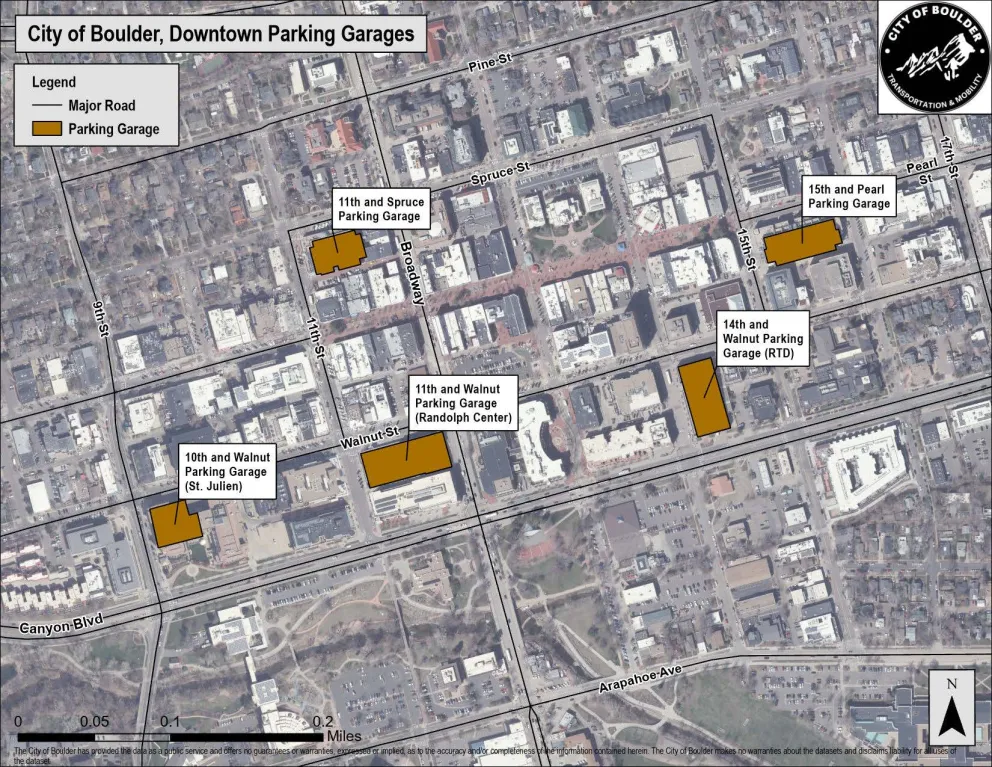
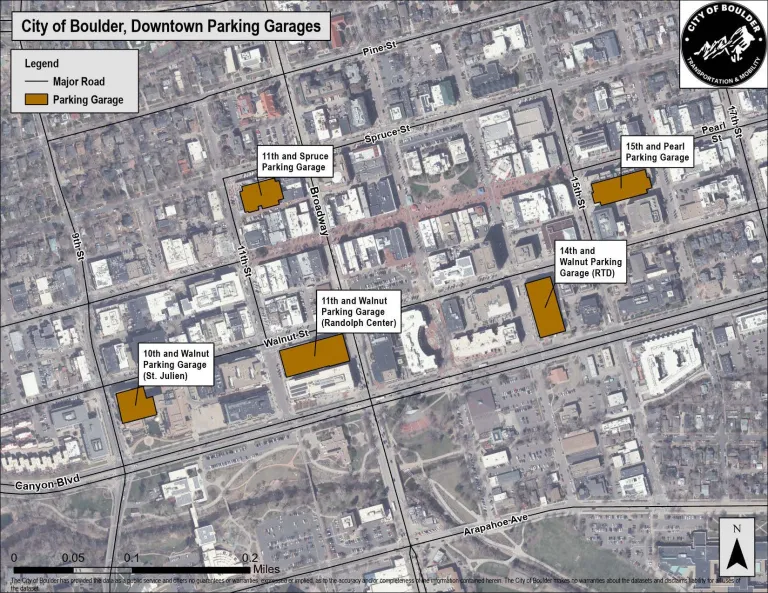
downtown parking garage map

What Is a Mobility Hub?

A mobility hub is a convenient existing parking location where multiple transportation options come together in one place, such as:

  • Secure bicycle parking.
  • E-bike charging.
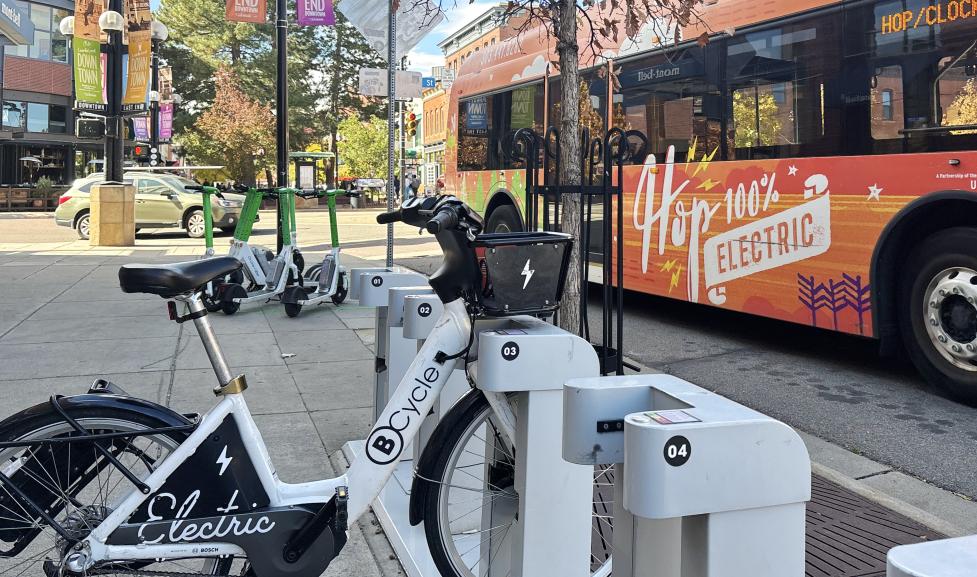
  • Shared micromobility parking and charging.
  • Rideshare pick-up and drop-off areas.
  • Carshare spaces.
  • Electric vehicle charging spaces.
  • Transit connections, like seating and real-time bus arrival information.
  • Wayfinding.
  • Public gathering spaces and placemaking features, such as public art.

Mobility hubs are more than just transit stops; they are designed with intentional placemaking strategies to create welcoming and accessible community activity centers. As the mobility hub develops, walking, biking, scooting and riding public transit become more convenient and appealing alternatives compared to driving alone, reducing dependency on private vehicles. 

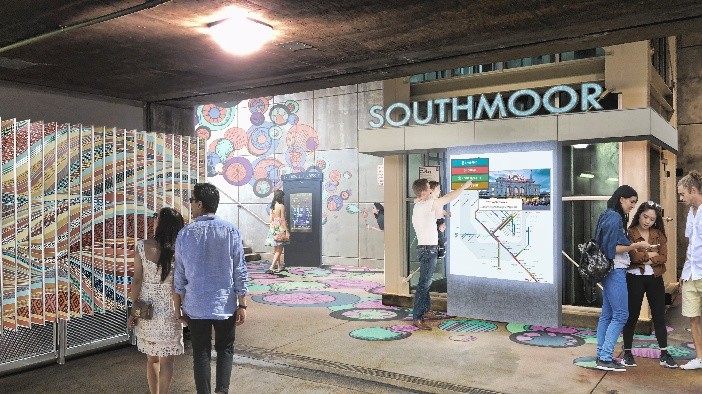
onceptual mobility hub in parking garage with public art, large map displays and people walking around

Conceptual mobility hub illustration. 

Mobility hubs can help people:

  • Travel more easily without relying solely on a personal vehicle.
  • Connect between transportation modes.
  • Access downtown businesses, jobs, events, and services.
  • Find transportation information in one location.
  • Experience safe, comfortable, and welcoming public spaces.

Project Goals

The Mobility Hubs Project will:

  • Improve access to and around downtown Boulder by supporting all people walking, biking, taking transit or driving.
  • For users who choose to drive, mobility hubs will provide parking that will enable drivers to ‘park once’ and continue exploring Boulder by another mode.
  • Support walking, biking, transit, ride share pick-up/drop-off (such as Uber/Lyft) and shared mobility options.
  • Make it easier to connect between different ways of getting around, such as driving, transit, biking, and walking.
  • Enhance the mobility experience for residents, employees, and visitors.
  • Maintain efficient parking operations.
  • Create inviting public spaces that reflect Boulder’s character.
  • Support climate, equity, and transportation goals.
  • Identify realistic implementation and funding strategies for future improvements.

Project Timeline

  • Fall 2025: Project Kickoff.
  • Winter 2025–spring 2026: Needs Assessment & Mobility Hub Toolkit, which is a list of amenities to be considered for each garage.
  • Summer 2026: Community Engagement Phase 1.
  • Fall 2026: Concept Development and Draft Recommendations.
  • Winter 2026: Community Engagement Phase 2.
  • Winter 2027: Final Concepts, Implementation Strategy, and Phasing Plan.

Get Involved

Sign up for project updates, participate in questionnaires and events, and share your ideas about how mobility hubs can improve access, connectivity and the downtown experience.

Community input will play an important role throughout the project. The City of Boulder invites everyone who visits downtown to help shape the future of downtown mobility. You can provide input on your current travel patterns and input on future mobility hubs by:

  • Completing the online questionnaire.
  • Discussing the project with a member of the project team, who will be located at garages during the following times:
    • 1400 Walnut Street (Downtown Boulder Station): Thursday, June 25, 2026, from 1-2 p.m.
    • 1500 Pearl Street: Thursday, July 9, 2026, from 12:30-1:30 p.m.
    • 1100 Spruce Street (Downtown Boulder Station): Friday, July 10, 2026, from 2-3 p.m.
    • 1000 Walnut Street (Downtown Boulder Station): Saturday, July 18, 2026, from 6-7 p.m.
    • 1126 Walnut Street (Randolph Center): Saturday, June 27, 2026, from 2-3 p.m.

In addition, the city is working closely with the following groups to understand how garages are currently used and how we can make traveling to, from and around downtown easier for everyone.

  • Downtown residents.
  • Businesses and employees.
  • Visitors.
  • Transportation service providers.
  • Community organizations, including representatives of historically underserved and limited-English-proficiency communities.
  • Users with mobility challenges.

Your input will help inform draft concept designs, which we'll invite your feedback on later in fall to winter of 2026.

Web Accessibility

The City of Boulder is committed to digital accessibility. Some content may not be fully accessible due to technical limitations or issues. For alternate formats or accommodations, please visit Accessibility | City of Boulder or contact accessibility@bouldercolorado.gov.

Illustration of a conceptual mobility hub showing multiple transportation options integrated into a single facility. Three regional buses stop alongside a modern building that includes indoor passenger amenities. The site features secure bicycle storage near the entrance, pedestrian walkways, and a designated transportation network company (TNC) pick-up and drop-off area. Numbered callouts identify key hub elements: regional bus routes, indoor waiting areas with restrooms and drinking fountains, secure bike storage, and rideshare access.