Seeing (and Sensing) the Big Picture: Understanding Boulder’s living systems.
Strong stewardship starts with thoughtful observation.
Boulder’s human community is part of a much larger community of species — and we all play vital roles in maintaining the health of our local environment. To be good stewards of Boulder’s living systems, we have to pay close attention to our local species and their habitats.
As climate change reshapes the natural world, we’ll need to develop new capabilities for monitoring our local environment. We’ll also need to track the ways our current lifestyles impact the living systems we’re part of — particularly around the influence of toxic substances. Our team is up to the task.
Boulder Bee Bio-Monitoring Project
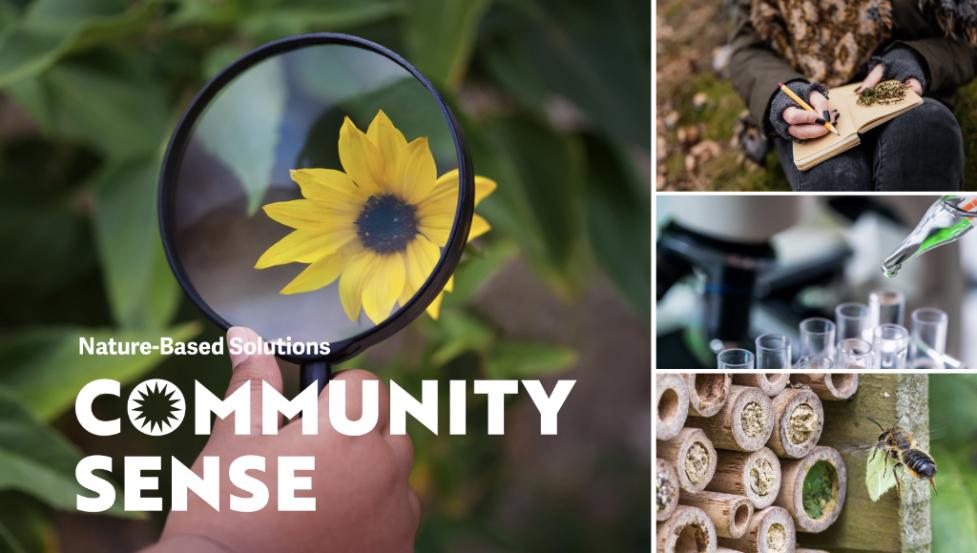
The city launched this new program in the summer of 2026. Bees are remarkable “flying environmental sensors.” As they travel through neighborhoods, parks, farms, and gardens, they naturally pick up tiny traces of what’s happening in our environment. By studying the pollen, honey, and materials they bring home, we gain a clear picture of environmental health—without expensive equipment or disruptive monitoring.
The Dog Collar Study
City of Boulder participates in landmark chemical exposure study.
The widespread, growing use of chemicals in landscape management and other applications has left chemical residues throughout our local environment. To assess both the types of chemical exposures and their extent, the city partnered with CU Boulder and Yale University on a landmark study in which volunteers wore chemical sensor wristbands — and their pets wore chemical sensors on their dog collars — to determine exposures along their dog-walking routes.
This study has revealed surprising findings around the continued persistence of certain chemicals that have been banned for over a decade, as well as the presence of more recently commercialized chemicals being used for lawn care and other applications. Armed with this information, the city can begin identifying both sources and strategies to reduce — or potentially eliminate — these toxic exposures for our community.
Equipping community members to gather vital biodiversity data.
Empowering our community to champion environmental health.
Careful, comprehensive monitoring of our local environment is a community effort: we all have a role to play. While the city has many initiatives underway to track the health of Boulder’s environment, there are aspects of our local landscapes and riparian systems that we simply don’t have adequate resources to monitor on our own.
By developing state-of-the-art community science strategies that equip local community members with the tools to chip in, we can dramatically expand our ability to monitor the conditions of our local environment over time.