

Applications for the 2026 Creative Neighborhoods Program are closed. The application for all subcommunities opened June 10, 2026, and all funding has been allocated as of June 18, 2026.
Applications for the 2027 Creative Neighborhoods Program will open the first week of May 2027.
Requirements
- Location: Projects must take place on property in a residential neighborhood within the City of Boulder that is publicly accessible. Projects must be located on private property, and they must be are visible or accessible to the community.
- Artist funding: Local artist(s) or arts organization must receive the majority of the grant funds for their creative work. A limited portion of the award may be used to cover related expenses (see “How to Use Funds” section below for examples).
- Applicant eligibility: The lead applicant must be a community member applying for a project in their own residential neighborhood within the City of Boulder (any address with a zip code beginning with 8030).
- Artist/organization role: Projects must be developed in collaboration with a professional artist or arts organization.
- Application process: Applications must be submitted online through the program website.
- Budget: A project budget must be submitted with the application, detailing how funds will be allocated within the $5,000 maximum award.
- Selection process: Applications will be reviewed on a first-come, first-served basis.
Eligibility
- Residency: The product (performance, piece of art, etc.) funded in whole or in part through a Creative Neighborhoods grant must be provided for and accessible to the Boulder community and provided within Boulder Valley, as defined in the Boulder Valley Comprehensive Plan.
- Lead applicant: Must be a neighborhood resident (not an organization, though partnerships are encouraged). To ensure equitable access, community applicants may submit one application per funding cycle. Artists and organizations serving as project partners are eligible to participate in one funded project per year/cycle.
- Collaborations: Projects must be supported by at least 75% of neighbors in the direct area (i.e. can be seen, heard or otherwise experienced from their home) where the project will be completed. Signed document by neighbors is required for projects to move forward.
- Location: Projects must take place within the City of Boulder and in a location accessible to the public. Projects must be located on private property and be visible or otherwise accessible to the community.
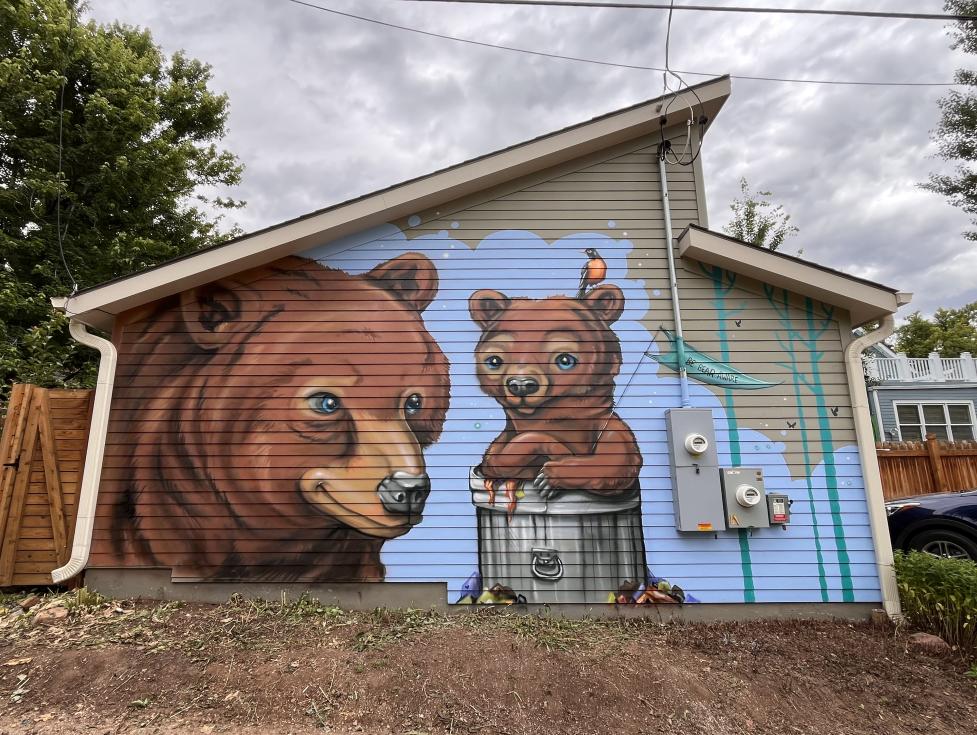
- Project type: Eligible projects may include visual art (e.g., murals, artistic lending libraries), performance (e.g., music, dance, theater), storytelling, cultural traditions, or other creative activities that build community connections.
- New projects: Funding supports original, creative projects led by local artists, rather than ongoing programs or maintenance activities.
- Duration: Projects must be completed by Sept. 2027.
How to Use Funds
At least 75% of Creative Neighborhoods funding must be paid directly to the lead artist or arts organization for their work on the project. Up to 25% of the grant may be used for other project-related expenses, which may include:
- Permits
- Insurance (see Insurance & Liability Coverage below)
- Supplies and materials (paint, printing, etc.)
- Equipment rental (audio/visual, tents, tables, etc.)
Total expenses must fall within the $5,000 grant maximum.
See examples of sample budgets.
Potential Insurance and Liability Coverage Requirements
Depending on the scope of work, the artist or arts organization leading the project may be required to carry insurance. The Office of Arts and Culture team will assist the artist or arts organization in navigating these requirements. Learn more about potential insurance requirements.
If You're Funded, You'll Need To:
- Work with the artist/arts organization: Partner closely with the creative lead to make sure the project is completed as described in your application.
- Get site permissions: Secure written permission from the property owner if the project is on private property, or coordinate with city staff if it’s in the public right-of-way.
- Gather neighbor support: Collect signatures from at least 75% of the households in the immediate area where the project will take place, showing that neighbors are aware of and supportive of the project. A city-provided form will be used for this.
- Engage your neighborhood: Involve neighbors in planning, decision-making, or direct participation in the project, so it truly reflects and strengthens your community.
- Handle logistics: Help with scheduling, site access, communication between the artist, neighbors, and city staff, and other coordination as needed.
- Oversee the budget: Ensure that most of the grant funding goes directly to the artist/arts organization, with minimal funds covering related project expenses, if needed.
- Keep it accessible: Make sure the project is visible or open to the public for its intended lifespan or event timeframe.
- Complete on time: Finish the project within the 2026–2027 implementation window.
- Report back: Submit a short final report (including photos) within 30 days of project completion.
Online, Drop-in Question and Answer Session
Watch a recording of our online question and answer session.