Welcome to Primos Park
Para recibir más información en español, por favor llame al 303-413-7200 x9.
Primos Park will be the newest neighborhood park in North Boulder. Located in a 9-acre site on Violet Avenue between Broadway and 19th Streets this location will become a park that is unique, inviting, and accessible to all ages, cultures, and people with disabilities. It will be adjacent to the NoBo Library and the city’s largest manufactured home community. Over the past 3 years we have worked with community to plan renovations and name this special space.
Naming the Park
Neighborhood kids recommended the name Primos Park and to the Parks and Recreation Advisory Board (PRAB) approved this name in 2024. “Primos” means “cousins” in Spanish and reflects neighbors’ hopes of gathering with friends and family in the future park. The combination of the Spanish word “Primos” and the English word “Park” resonated with many community members’ bilingual experiences. Primos Park Video
Design and Renovation Plans
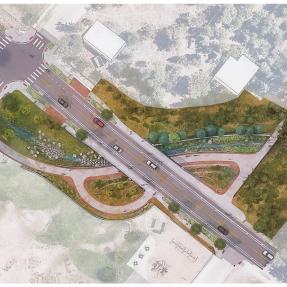
A design for the park has emerged through community engagement over the last 3 years and will continue to evolve based on technical design permitting this year. Highlights of the plan were shared in the sketches below at the June 2026 Open House and include:
- Nature-based design and stream restoration to address flooding, increase biodiversity and support pollinator pathways and wildlife movement.
- Dispersed nature “play pods” throughout the site that advance gross-motor skills, fine-motor skills, creativity and social interaction among people with and without disabilities.
- An outdoor pavilion with an adjacent play plaza and food truck staging.
- A small-scale amphitheater for community gathering, outdoor learning and creative play.
- A small-scale “Naturehood center” (gear library and a potential restroom) to support youth- and community-led programming.
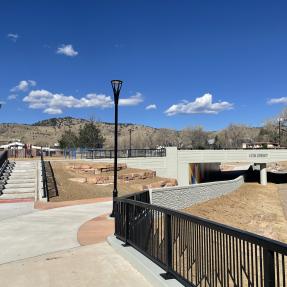
- Replacement of the Violet Ave. bridge over Four Mile Canyon Creek including addition of a multi-use path and pedestrian underpass which will further the access improvements made as part of the Safe Routes to Parks grant in 2024.
Design Sketches of Future Primos Park Renovation

1 of 4

2 of 4

3 of 4

4 of 4


Project Timeline
BPR has hired a consultant team to lead the design and engineering process. Here is the general timeframe for the park:
- July - September 2023: Engagement window #1
- Fall/Winter 2023-24: Site assessment and preliminary design concepts
- March - April 2024: Engagement window #2
- Summer-Fall 2024: Schematic design and engagement window #3
- 2025-2027: Final design + permitting
- 2028: Groundbreaking
- 2029: Full park activation
Frequently Asked Questions
Will the park project reduce flooding risk for my property or residence?
At this stage, we can't definitively say whether the park project will reduce flooding risk for individual properties. However, we are committed to ensuring it won't increase existing flooding issues. We are exploring various strategies, such as encouraging water to infiltrate (soak into the soil), to decrease flooding. It's essential to recognize that the park project is a very small section of a more extensive watershed, which limits our ability to provide comprehensive solutions.- Will the park feature heavily engineered structures like flood walls and concrete?
No, the park's design emphasizes a more nature-based approach rather than relying heavily on engineered structures. We aim to integrate natural elements and sustainable features that harmonize with the surrounding environment while effectively managing the flow of water though the park. Expect a park that celebrates nature and enhances community well-being through thoughtful design. Will park construction impact or damage homes or foundations?
We understand concerns about potential impacts on nearby properties during park construction. Rest assured, our team will take proactive measures to protect homes and foundations. Thorough assessments will be conducted, and appropriate protective measures will be implemented to safeguard surrounding structures throughout the construction process.- Will flood water continue to cross Violet Avenue after park improvements are completed?
Yes, because park improvements will happen before future downstream flood improvements are completed. Currently, there is not enough capacity downstream of the park to accept all the flow that arrives in the park. Therefore, until downstream improvements are completed, flood water will spill across Violet Avenue toward Wonderland Creek.
- What is the high hazard zone?
The high hazard zone is the area of a floodplain is typically where the greatest inundation of water will occur during a flood. Due to this, the greatest attention is paid to safety in this area. Is there currently a high hazard zone in the park?
Yes. The study area for the future park is about 9 acres. Of that, about 7 acres are within the high hazard zone. The high hazard zone also extends beyond the park boundaries to include part of Violet Avenue.
- How will park design address this high hazard zone?
In the new park, goals are set to manage the flow of water within the designated high hazard zone. Beyond that, the park design will explore ways to further reduce the extents of the high hazard zone to the extent possible. What is floodproofing?
Floodproofing is something that private property owners can do to install protection and floodproof materials such as waterproof windows and doors on a structure to prevent flood water from getting in, and protecting surfaces subjected to flood water from being damaged by the water.- What does flood control or flood mitigation mean?
Within the park, flood mitigation and control measures remove flood water from getting to structures and/or minimize the depth of water around structures to a less damaging depth.
- How will the future park maximize flood resilience?
Flooding is a natural event that will continue to occur into the future. However, we can design the park to be resilient so there is the potential for fewer big repairs after the next flood. This involves using strong, durable materials and design techniques that anticipate and influence what happens to flood water once it arrives in the park. For example, we will pick materials that can handle being surrounded by flood water without being dislodged and plants that can survive being underwater for short periods of time. Will park design accommodate another flood event like the one in 2013?
Preparing for the extreme and unpredictable nature of an event like the 2013 flood is beyond the limit of reasonable design or construction in flood mitigation planning. However, the city adheres to providing 100-year flood protection and will maximize the site’s potential to both accommodate flood waters and support community gathering and recreation in the time between flood events. It is important to remember the park is but a very small section of the creek and can only have a minimal influence on managing the flow of water in the event of a flood. This is why the City Utilities department is taking a much bigger look at the creek as a whole to manage water flow in a more holistic manner. For more information, see the Fourmile Canyon Creek flood mitigation project.
Community Connectors helping with the project
City staff worked community connectors to engage meaningfully with residents of adjacent manufactured home communities, as well as people with disabilities.
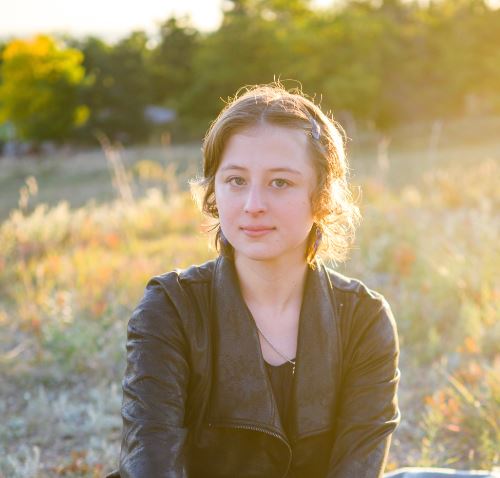
Sarah was born in Boulder, but moved to Connecticut when she was two months old and then moved back to Boulder in 2012. She is a student at Boulder Valley School District’s Transitions Program, which is a program for young adults ages 18 - 21 who have an Individualized Education Program and are moving toward living independently and joining the workforce. The disability community is a big part of her life and accessibility for people with visible and invisible disabilities is important to her.
In her free time, she participates in Special Olympics swimming, skiing and gymnastics. She also participates in BPR’s EXPAND programs, is part of a running team and volunteers at Whittier International Elementary. She loves cooking, theater and singing.
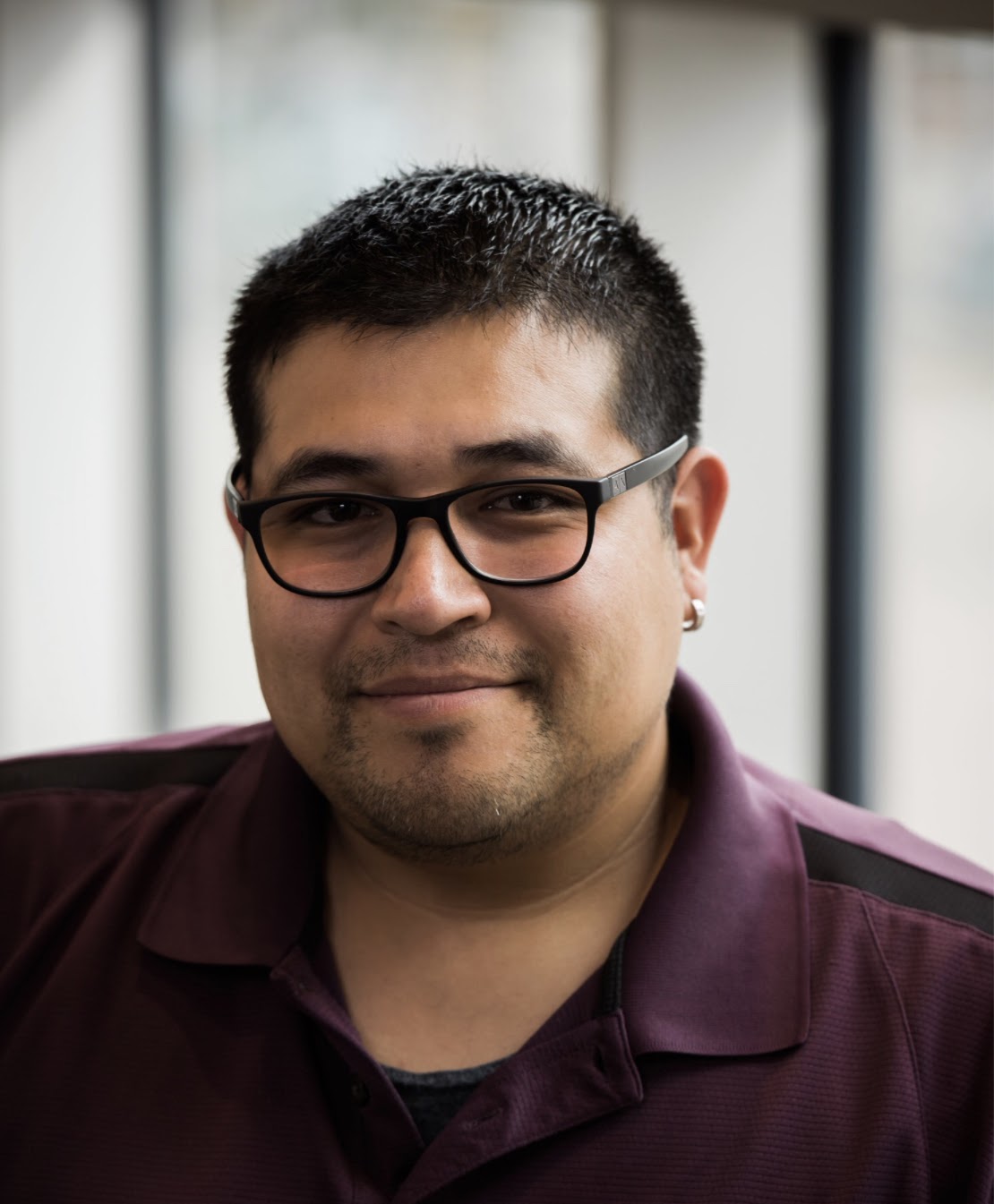
Bernardo is from Ciudad Juarez, Mexico. He has lived in Boulder since 1993. He always tries to maintain his Mexican roots as a part of his and his children’s lives. He always tries to have the best interests of his family and his community.
As a small business owner, Bernardo helps those in his community so that we can all share a safe and fun environment. In his spare time, he likes to teach Chromebook classes to those in need of learning.
He loves to spend time with his family going on walks and doing activities such as swimming, riding bikes and going to the local library to read, and cooking.
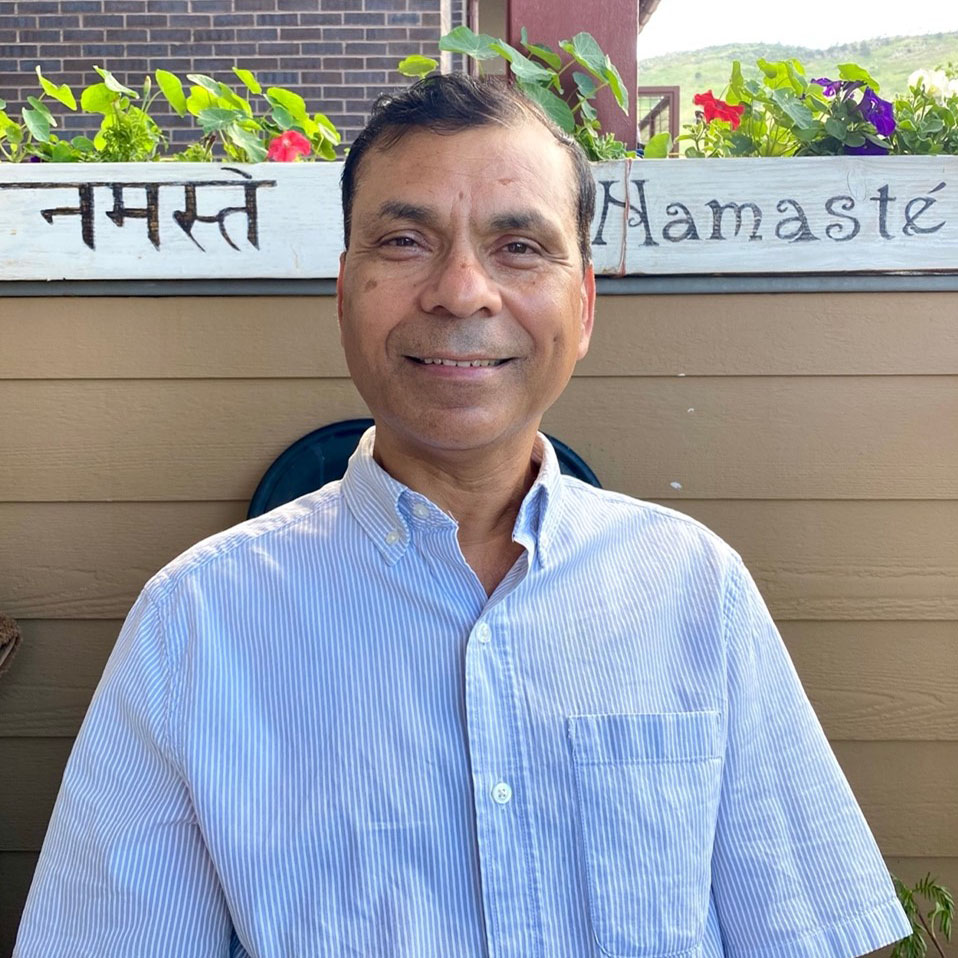
Paras Lamsal was born in Nepal. Throughout his life, he has always maintained a strong connection to his Nepali heritage. He used to work as a translator, which not only allowed him to bridge language barriers, but also helped me deepen his connection with the Nepali community around Boulder.
In his free time, Paras enjoys hiking, reading and bird watching, which allow him to explore the beauty of nature while expanding his knowledge and appreciation for the world around him.
My name is Raquel Escobar. I am originally from El Salvador, and I have lived in Boulder for 11 years. I love living in Boulder because it reminds me of my homeland- its mountains, rivers, birds, and its beautiful landscapes. I have three children, two girls and one boy, and our favorite pastime is going for walks, going to the river, and learning about nature in every season of the year.
Community Engagement
Parks and Recreation Department (BPR) staff are working closely with community connectors, local youth, and Growing Up Boulder to elevate ideas from traditionally marginalized communities for the future park.
To further define the park design, recommended park name and opportunities to improve access to and from the park, the third round of community engagement included:
In Fall 2024, community connectors met with community members to weigh in on the design of the naturehood center
In Summer 2025, Youth through the YSI program painted bird houses to reflect the identities of their neighborhood and provide temporary habitat.
In Fall 2025, Raquel joined the community connector team to lead preschool engagement through ongoing nature play picnics.
Preschoolers from Boulder Journey School, New Horizons and other neighborhood kids built model playgrounds shaped like birds nests and learned about plans to reuse trees on the site that will b cut down as part of the renovation in Spring 2026.
Community connectors participated in a design workshop in April 2026 to refine major elements of the design such as selecting colors.
As part of YSI, neighborhood youth learned about the design and helped create an interactive walking tour for the June 2026 open house.
The project team hosted a June 2026 open house to show case the refined design that will advance to permitting and provide an interactive walking tour of the site.
To further define the park design, recommended park name and opportunities to improve access to and from the park, the second round of community engagement included:
Community connectors for this project met with other citywide community connectors to discuss and refine upcoming engagements on March 2.
Staff and partners met with preschoolers at the Boulder Journey School.
Staff and partners hosted a focus group for mental health professionals to discuss how the future park can maximize the mental health benefits of being outside on March 14.
On Saturday, March 16, Community connectors, staff and partners hosted a community gathering at Crest View Elementary with food, fun, and a chance to create weigh in on design ideas, name ideas and access challenges for the future of this neighborhood park. The information provided at this meeting is available by request.
Staff tabled at North Boulder’s First Friday arts event on April 5.
On April 24, staff, partners, and community connectors hosted a community roll ‘n stroll audit to identify needed improvements in the area surrounding the park to create safer, accessible connections to and from the park for pedestrians, cyclists, and people with disabilities.
Staff tabled at Crest View Elementary School’s Spring Fling to play games and talk with students and families about the future park and improvements to Crest View Park.
To elevate ideas and input from residents in the Boulder Meadows and Ponderosa manufactured home communities, the first round of community engagement included:
- Facilitating four workshops with youth participants in the BPR Youth Services Initiative team’s Get Fit Program, most of whom live in Boulder Meadows.
- Attending two neighborhood block parties held by residents in Boulder Meadows and Ponderosa.
- High-school interns talking to 32 community members about the project at North Boulder Recreation Center.
- Hosting an early childhood gathering in the park with Spanish- and Nepali-speaking children and their caregivers.
- Hosting a community event on-site with pop-up play opportunities, music, and chalkboards for community members to capture their hopes and ideas for the future park.
- Community connectors hosting two informal gatherings on their own to reach Latino and Nepali community members.
- Attending two events for the forthcoming North Boulder Library branch to confirm major themes that arose during previous events.
During the third window of community engagement, the community shared:
Excitement for the planned renovations and eagerness for work to begin.
A continued love of the trees and importance of their reuse.
Continued interest in bird habitat onsite and enthusiasm for integrating a bird theme throughout the site.
Concerns about people experiencing homelessness camping in the park and gratitude for Park Rangers and other plans to address safety now and in the future.
During the second window of community engagement, the community shared:
Excitement for a new name: Primos Park. After brainstorming with neighborhood YSI kids and their families, the community voted on this name at the March 16 gathering. Primos means cousins in Spanish and reflects the community's hope of gathering in the park with family and friends. The Parks and Recreation Advisory Board (PRAB) will vote on this recommendation at the June PRAB meeting.
Continued love for nature in the design concepts as well as community gathering spaces, accessibility, food trucks and other amenities. Following this window the design concepts will evolve in response to the input, resulting in a preliminary, preferred site plan to be shared back with the community in early summer.
Challenges with access to and from the park including vehicle speeds and a lack of sidewalks or bike lanes along Violet Avenue and an eagerness to start to address some of these challenges through small community Early Action this summer as funded partially by a grant from Safe Routes to Parks.
During the first window of engagement, several community values emerged as strong themes that will guide the project through to completion:
- Loving nature
- Community gathering
- Food, arts, and culture
- Free play
- Accessibility
- Disaster readiness and resilience
- Wellness and mental health
Youth and community members also shared which recreation activities they would most like to enjoy in the future park. These activities will also drive design, so the future park is a place neighbors frequent and feel like they belong.
Community members shared that they were most interested in the following activities - in order of least popular to most popular:
- Winter Activities
- Learning Outside
- Walking
- Games
- Riding Bikes
- Accessible Activities
- Sports/field Games
- Quiet Activities/Going Slow
- Community Gatherings
- Food-related Activities/Picnicking
- Music, Dance, Art
- Climbing
- Family/Friends
- Nature Enjoyment
- Free Play
- Swinging/Sliding/Going Fast
- Water Play
Board and Council Documents
Media

1 of 5

2 of 5

3 of 5

4 of 5

5 of 5