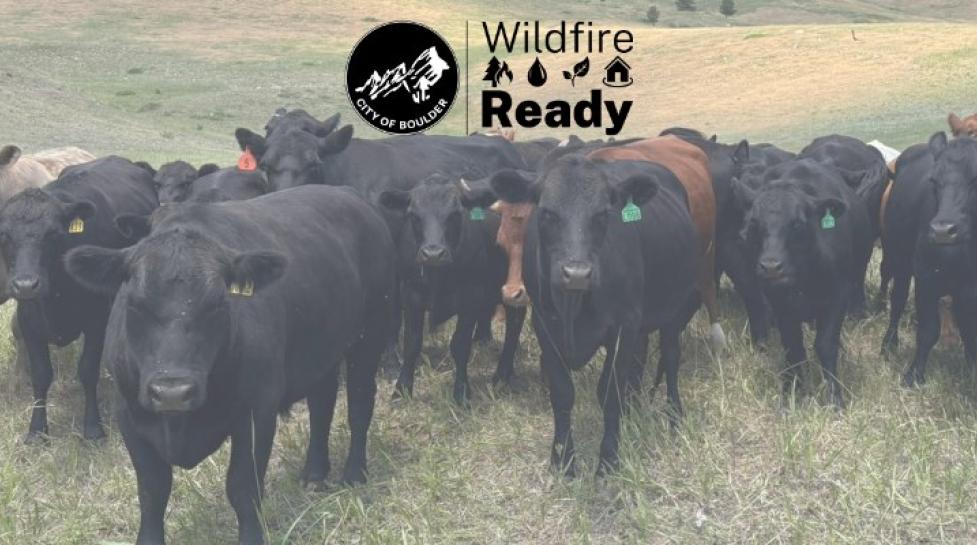
These are working cows and they may be cute but they aren’t to pet.
BOULDER, Colo. – Cattle are at Chautauqua Meadows starting on Monday, Sept. 28 with an important job to do: help reduce wildfire risk near Boulder neighborhoods.
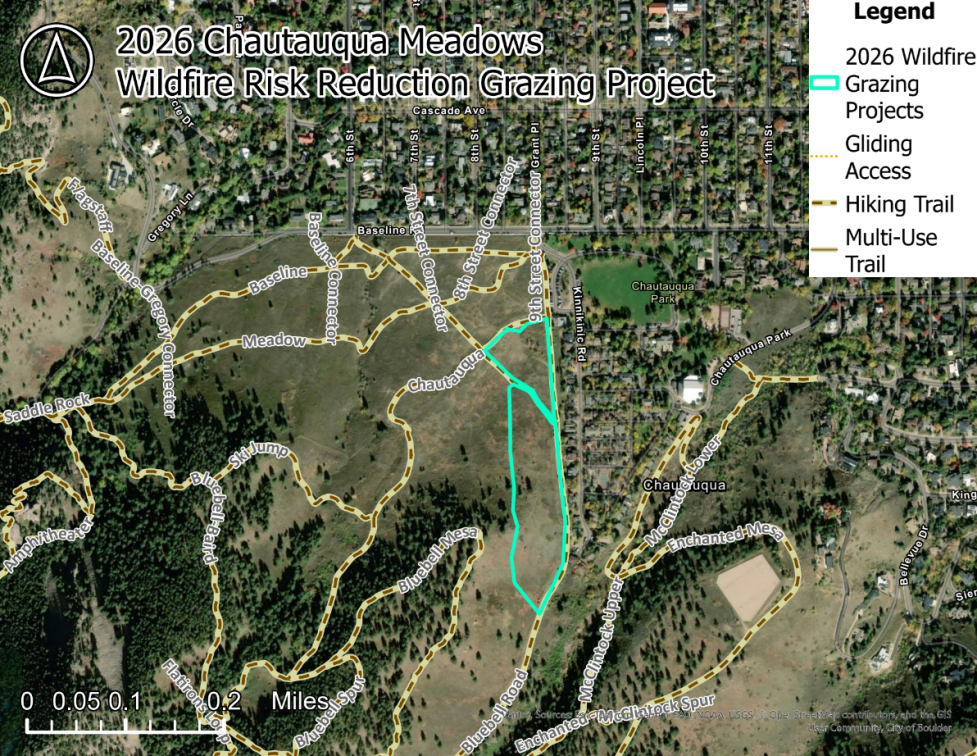
As part of the city's ongoing efforts to reduce wildfire risk, cattle will graze approximately 9 acres of grassland directly west of Chautauqua's historic cottages. Targeted grazing helps reduce fine grass fuels that can contribute to rapid wildfire spread. The project is part of the city's broader strategy to reduce wildfire risk in high-priority Wildland-Urban Interface areas and evaluate the effectiveness and ecological impacts of different land-management approaches.
These cows are here to work, not to be pet. Visitors can help keep the project safe and successful by giving cattle plenty of space, staying on designated trails, keeping dogs leashed where required and taking photos only from designated areas. Temporary electric fencing will contain the cattle, and while trail closures are not currently planned, access restrictions may be necessary during grazing operations.
“Chautauqua is one of our most heavily visited Open Space areas, so we are taking additional steps to make sure we can conduct this work safely while minimizing impacts to visitors,” said Wildland Fire Senior Program Manager Paul Dennison. “We’ll have additional staff oversight of the project, and we appreciate visitors giving the cattle and our staff plenty of space and following posted signs and closures.” The city is also closely monitoring drought conditions to balance wildfire risk reduction with the long-term health of Boulder's grasslands.
“Drought increases wildfire risk while also placing significant stress on our grasslands,” Dennison said. “We have to balance the need to reduce wildfire fuels with protecting the health and resilience of these ecosystems.”
Following Chautauqua Meadows, the city's final wildfire grazing project of 2026 will take place on the OSMP Tippit Property near Four Pines Trail, west of Green Mountain Cemetery. Both projects target grassland areas where reducing fine fuels can help slow potential wildfire spread.
The city partners with experienced local ranchers and works alongside wildfire managers, researchers and ecologists to evaluate grazing and other science-based wildfire mitigation strategies.
Targeted grazing is just one part of Boulder's comprehensive Wildfire Ready approach, which also includes strategic perimeter mowing, forest thinning, ditch fuels management and community wildfire mitigation projects. Together, these efforts help reduce wildfire risk, protect natural resources and strengthen Boulder's wildfire resilience.
Wildfire resilience is a shared responsibility. Learn more about grazing, perimeter mowing and other wildfire mitigation projects at Boulder Wildfire Projects .
-- CITY--