Project Overview

City Council approved a two-year pilot project to evaluate if paid parking combined with free transit passes can better manage demand for limited parking space in the Goss Grove neighborhood in downtown Boulder.

This pilot project will:

  • Implement paid parking for people without parking permits.
  • Provide free EcoPass access (RTD bus passes) to neighborhood residents.
  • Pay for itself.
  • Evaluate how parking demand and travel patterns change over two years.

This pilot project will not:

  • Guarantee a parking spot will always be available.
  • Eliminate parking demand.

Our goal is to ensure that all perspectives are heard and considered in evaluating the pilot program in balance with equity, fiscal responsibility and mobility goals.

Why the city manages parking

City streets serve the parking needs of residents, visitors, workers, students and businesses. The city’s role is to manage that space effectively, equitably and transparently.

In some neighborhoods in Boulder, the number of people who want to park can exceed the available space. While the city cannot expand the amount of parking available in neighborhoods, it can help balance competing uses for limited street parking.

Parking management tools such as pricing, time limits and permits can help:

  • Reduce congestion caused by circling for parking.
  • Improve turnover of parked cars where appropriate, like near businesses and parks.
  • Encourage different transportation choices.
  • Better align demand with available space.

Why Goss Grove?

We considered Neighborhood Parking Permit (NPP) zones citywide for the pilot. The Goss Grove neighborhood, located across Arapahoe Avenue from Boulder High School north to Canyon Boulevard, and between 15th and Folsom streets, met the following conditions:

  • High housing density
  • High parking demand
  • Close to activity centers such as schools, businesses and parks.
  • Transit access, including bus stops and different bus routes.

Because of these factors, Goss Grove was chosen for the pilot program, which will help better manage demand and provide more transportation choices.

How the pilot will work

Goss Grove currently operates under a Neighborhood Parking Permit (NPP) system, which means:

  • The public may park for up to two hours once per day. Cars that are parked more than two hours are subject to citation.
  • Residents and businesses may purchase a limited number of permits that exempt them from the two‑hour limit.
  • Members of the public who do not live in the neighborhood may purchase a limited supply of monthly commuter permits that exempt them from the two-hour limit. These commuter permits often sell out quickly.

The pilot will change time-limited parking to paid parking. This is how it will function during the pilot:

  • The public will need to pay an hourly rate to park in the neighborhood.
  • Neighborhood residents will receive a free EcoPass (RTD bus pass) to provide more transportation choices.
  • Boulder High School and CU students will continue to have access to free transit.
  • Resident, business and commuter permits will continue to function as they do under the NPP system.

Community Input

What we heard

This pilot project acknowledges that multiple groups rely on the same limited public space. Both Goss Grove residents, and students and families attending Boulder High School, have shared that how parking is managed in Goss Grove today is not effective or fair.

Goss Grove residents have shared concerns about:

  • Difficulty getting in and out of their homes on school days.
  • Spillover parking from the school and nearby attractions making it hard for them and people visiting them to reach their house.
  • Unsafe parking behavior such as vehicles blocking driveways and traffic congestion from people searching for parking.

Boulder High School students and families have shared concerns about:

  • Limited off-street parking at Boulder High School.
  • The cost of parking and parking violations.
  • Little to no transit service where they live and for after-school activities.
  • The additional time it takes to take transit instead of driving.

Purpose of the community meeting

The city and Boulder Valley School District are hosting a community meeting for Goss-Grove neighbors, Boulder High families and CU students to learn about the pilot program, give feedback on a few program details and share their current parking challenges.

Monday, May 18
5:30 to 7 p.m.
Boulder High School
1604 Arapahoe Ave, Boulder, CO 80302

RSVP

Frequently Asked Questions

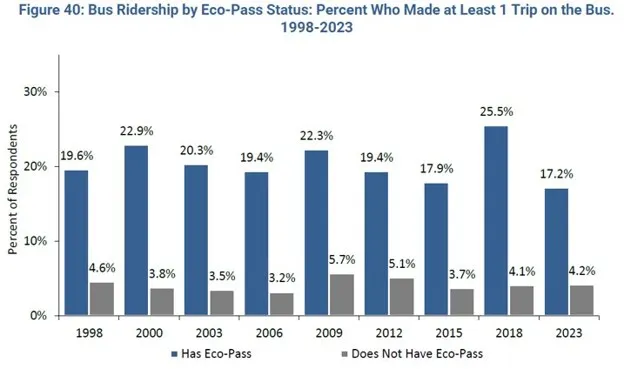
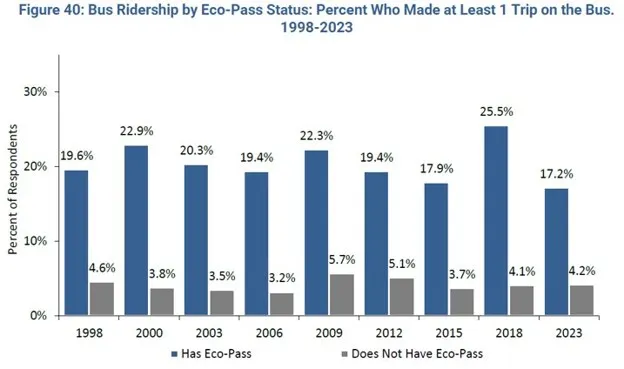
Parking management works best when people have options. Local survey data from the past several decades show that community members who have an EcoPass are nine times more likely to use transit than those who don’t.

By pairing paid parking with free EcoPasses for neighborhood residents, the pilot gives people more flexibility in how they get around.

The money collected from permits and paid parking will help cover the cost of providing EcoPasses at no cost to residents. This approach aims to:

  • Give residents more travel choices beyond driving.
  • Make it easier for some trips to happen without a car.
  • Increase use of public transit in pursuit of citywide mobility and safety goals.

Assess whether parking revenue can help support transit passes. To keep the program running, it needs to pay for itself. Parking revenue supports things like permit administration, enforcement and the EcoPass benefit.

EcoPasses can have a big effect on how people choose to get around. When people have free, unlimited access to transit, they tend to use it much more — and drive less.

Research from Boulder shows that:

  • People with an EcoPass are much more likely to ride the bus.
  • Residents with an EcoPass drive alone far less often than residents without one.
  • EcoPass holders take fewer single‑occupancy vehicle trips overall and are almost twice as likely to walk or bike for everyday travel.

These changes in travel habits add up to meaningful environmental benefits. On average:

  • A Boulder resident with an EcoPass produces about 30% to 40% fewer transportation‑related emissions than someone without a pass.
  • Residents with an EcoPass emit significantly less CO₂ each year — roughly one metric ton less per person.
  • Transit‑using commuters with an EcoPass cut their emissions by more than half compared to those who drive alone.