

Boulder's arts sector is producing at a high level, and physical space is a primary constraint holding it back. Findings from the Boulder Arts Blueprint engagement, the 2025 Venues Study, and the Cultural Asset Map consistently point to significant needs for facilities and spaces across the creative ecosystem. Creative places exist throughout the city but are often informal, unstable, and vulnerable to rising costs and redevelopment. These studies make clear that targeted, sustained investments in cultural infrastructure, including physical spaces, funding systems, and policy frameworks, are essential for the long-term health of Boulder’s arts community.
The Challenge
What the Data Shows
- 68% of venue users report that space challenges prevented them from making, teaching, or presenting art (Venues Study)
- 40% of artists found suitable space in another city when Boulder couldn't meet their needs; 12% canceled projects entirely (Venues Study)
- Affordability was the dominant constraint, cited by 17 of 23 respondents who elaborated; availability and scheduling were cited by 11 (Venues Study)
- Over 50% of artists work from home studios and only 17% rent workspace outside the home, suggesting that a lack of affordable, purpose-built space has pushed creative practice into private life by default (Artist Census)
- 76% of community engagement respondents agreed or strongly agreed that increasing support for arts businesses and venues should be a priority for the next ten years (Blueprint Phase 1)
- Arts and culture organizations generate over $115 million in annual economic activity and support 2,451 jobs while managing rising operational costs (AEP6)
What the Comprehensive Plan Directs
The draft Boulder Valley Comprehensive Plan (2026) (Comp Plan) elevates arts and culture as a dedicated Focus Area and establishes direct policy direction in support of cultural infrastructure:
- The Comprehensive Plan includes a policy specifically dedicated to this work: "The city supports a diverse range of affordable and accessible arts and cultural experiences by supporting investment in art in public places, venues, facilities, special events and programs that reflect Boulder's creative spirit and community diversity."
- Related Comprehensive Plan policies reinforce cultural infrastructure goals through the lenses of Visitor Economy, Night Economy, Experiential Economy, Social Infrastructure, and 15-Minute Neighborhoods.
- The draft Comprehensive Plan states that "Boulder's creative sector is a defining strength of the community and a key driver of its economic vitality." (Boulder Chamber)
- The Comprehensive Plan and the Arts Blueprint together reflect a shared understanding that arts and culture are not stand-alone amenities but essential civic infrastructure that supports equity, economic opportunity, community well-being, and regional resilience.
- The 2026 draft Comprehensive Plan calls for affordable commercial space, innovation hubs, and a renewed commitment to arts and culture as part of its vision for economic vitality.
What the Arts Blueprint Says about Arts and Culture Infrastructure
The Arts Blueprint serves as a complementary, implementation-oriented framework that advances the Comp Plan's long-term vision through the lens of arts, culture, and creativity. To address systemic space and affordability gaps, the city will proactively leverage major redevelopment opportunities, public-private partnerships, and economic development tools, including general and business improvement districts, tax increment financing, and strategic sale or lease of city-owned assets, to attract and sustain the integration of arts and culture infrastructure into the built environment. By aligning arts and culture with broader economic development strategies and civic site transformations, the city ensures that the creative sector is central to long-term urban resilience and economic vibrancy.
The Arts Blueprint includes space activation actions organized across five goal areas:
Affordability
- Evaluate city-owned properties for cultural use potential in alignment with the Facilities Master Plan, prioritizing maintainable and accessible spaces.
- Activate vacant storefronts especially along Pearl Street through temporary "meanwhile use" programs.
Entrepreneurship and Workforce
- Expand access to shared fabrication, prototyping, and production facilities through subsidized access agreements to lower-capital barriers for creative producers.
- Advocate for and support artist live/work housing and mixed-use creative spaces through policy, zoning, and partnership pathways.
Nonprofits and Institutions
- Encourage development of new cultural facilities and support the maintenance and sustainability of existing nonprofit cultural infrastructure.
- Expand venue space for performing arts organizations through adaptive re-use or new construction to accommodate rehearsals and performances.
Experimentation and Innovation
- Identify and support flexible, low-barrier venue options including warehouse spaces, vacant storefronts, and underutilized city-owned properties for nontraditional and experimental creative work.
Scenes and Affinities
- Incentivize informal cultural venues like cafés, breweries, parks, and trails as stages for pop-ups, screenings, and all-ages gatherings.
- Create short-term creative lease programs offering temporary manufacturing, rehearsal, or studio space for emerging scenes and collectives.
The Path Forward
The Arts Blueprint will guide targeted and sustained investments in cultural infrastructure for the city, including physical spaces, funding systems, and policy frameworks, which are essential for the long-term health of Boulder's arts community and its role as an economic engine.
Goals
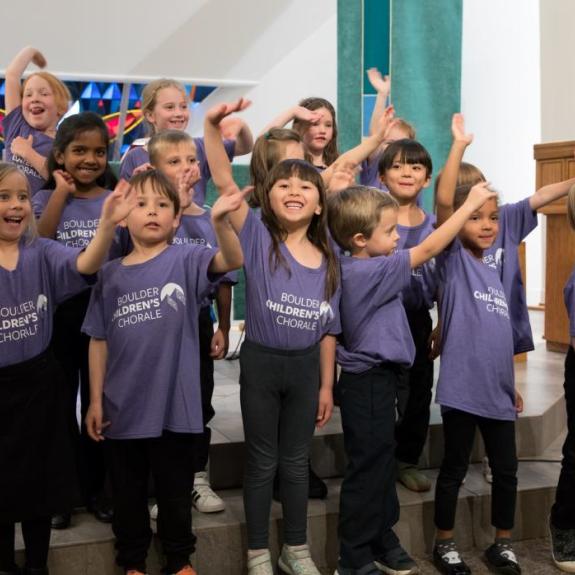
Accessibility and Inclusion
Ensure cultural amenities and creative experiences are widely available and accessible to all Boulder communities.
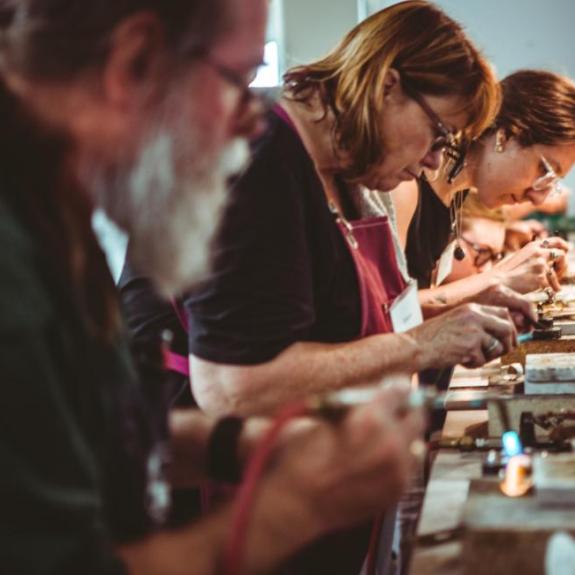
Entrepreneurship and Workforce
Provide resources, programs and training to build pathways for creative enterprises and entrepreneurship.
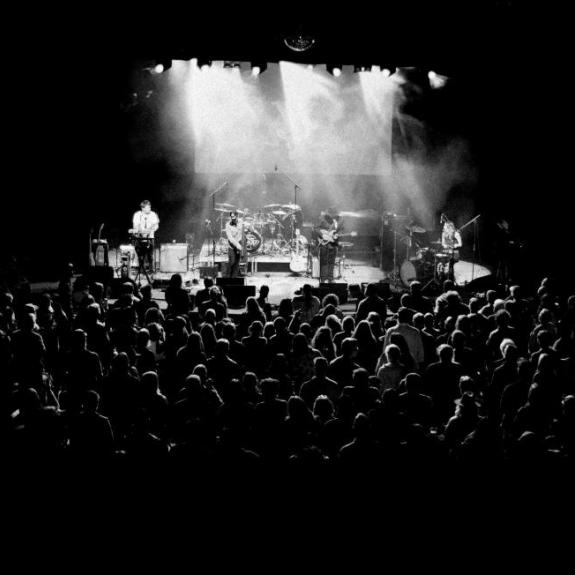
Reputation and Identity
Celebrate arts, culture and creativity as central to Boulder's identity, reputation and attractiveness.
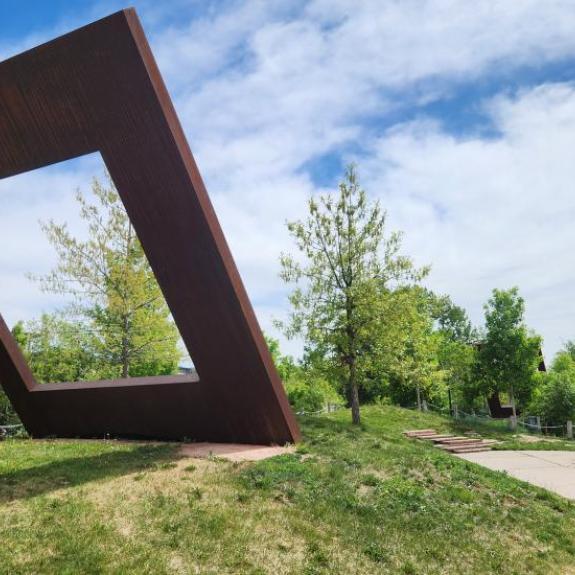
Public Art and Public Space
Expand public art and creative expression across public spaces.
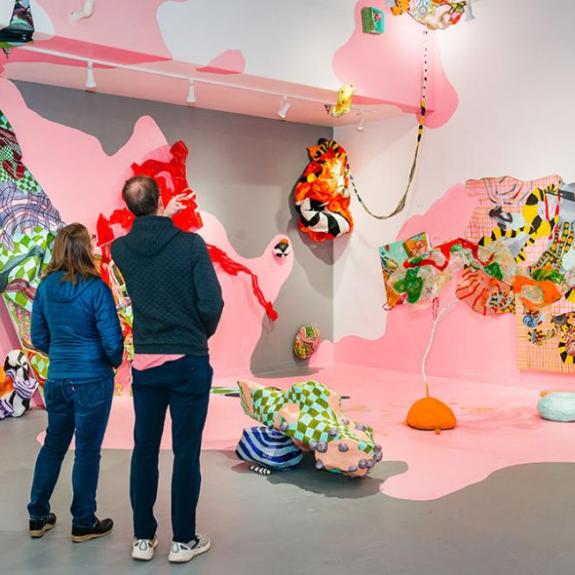
Nonprofits and Institutions
Amplify the impact of the nonprofit cultural sector to strengthen sustainability, partnerships and collaboration.
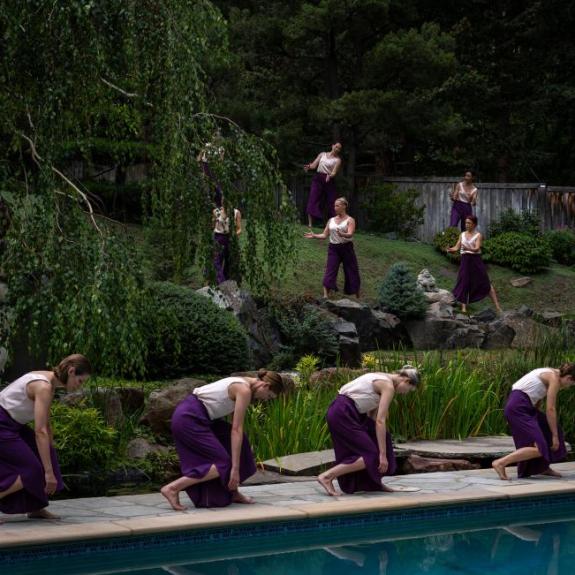
Experimentation and Innovation
Incentivize cutting-edge, innovative and experimental practices.
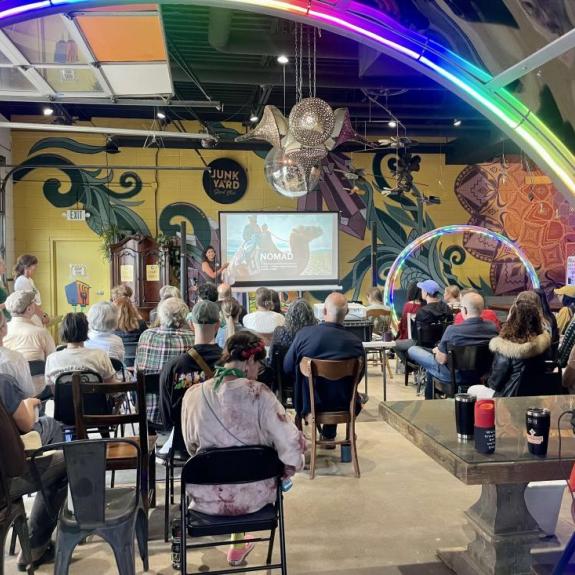
Scenes and Affinities
Recognize and nurture organic creative communities and "scenes."
Guide Navigation
You are on the Boulder Arts Blueprint Infrastructure page. Use the card menu below to jump to a different section of the Blueprint, or use the vertical menu on the left to explore the entire plan.
Boulder Arts Blueprint Hub
Go to Arts Blueprint Hub
Background
Go to Background
Vision and Goals
Go to Vision and Goals
Appendix
Go to Appendix