Boulder Valley Comprehensive Plan | The Future of Open Space
The Future of Open Space
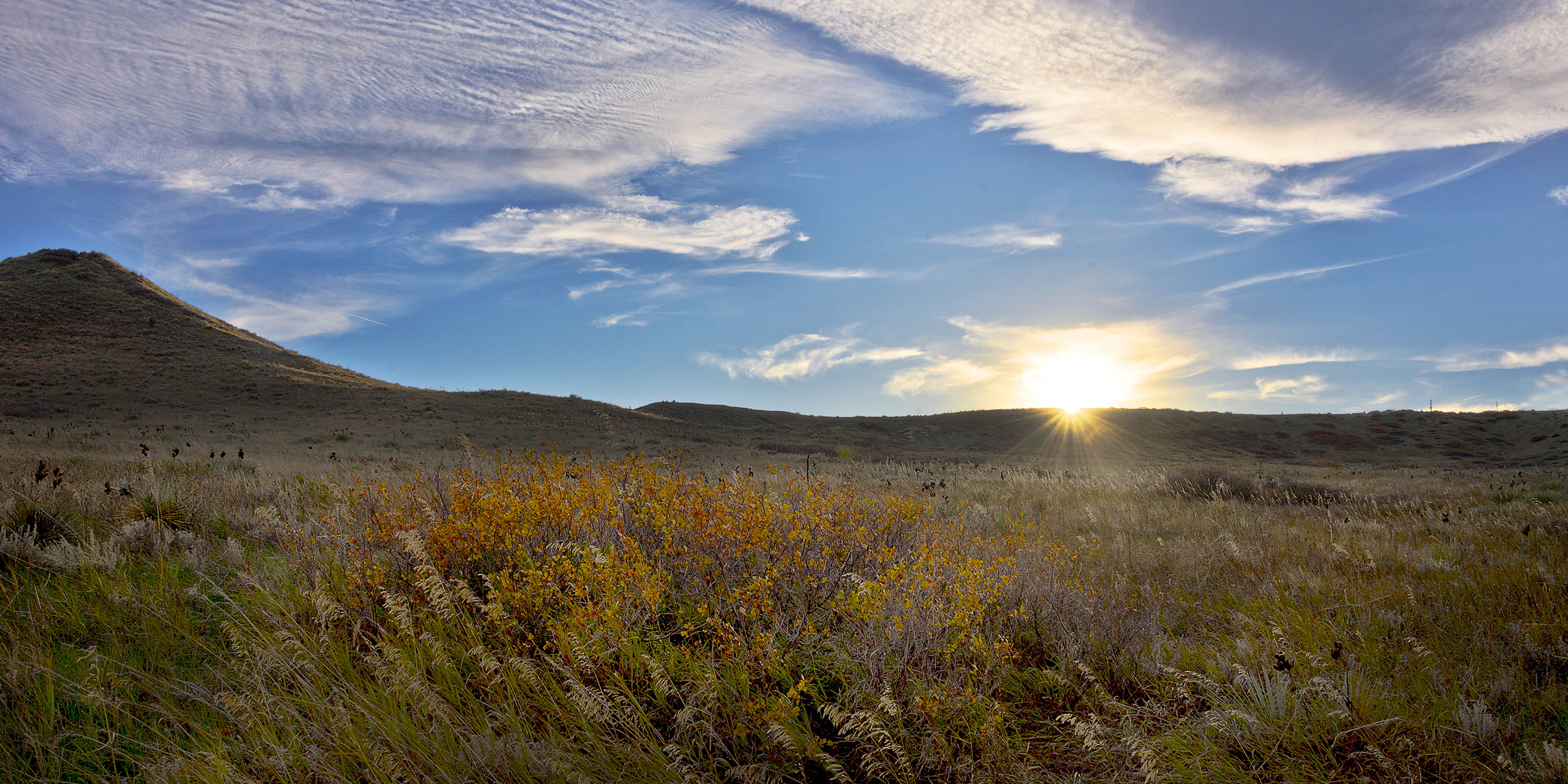
Large unfragmented native habitat contributes to the long-term health and resilience of the local ecosystem.
Why Open Space Matters
Stewardship and Community Identity
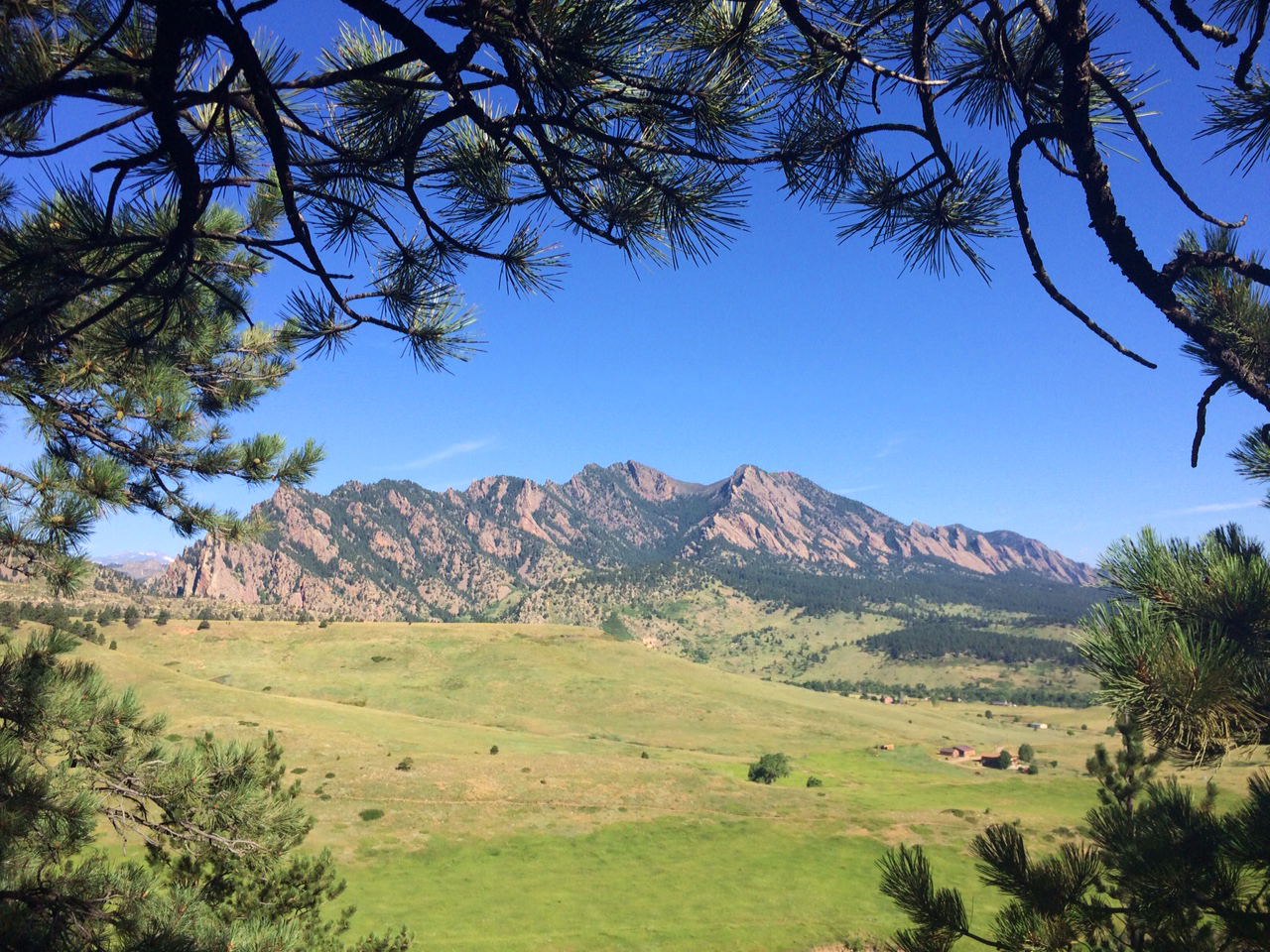
For over a century, the city and county have protected the Boulder Valley’s surrounding landscapes that define its identity. The city’s 1898 purchase of land around Chautauqua, establishing the Blue Line to limit western expansion of the city and voter-approved open space taxes by both city and county are only a few examples of the long-standing commitment to preserve the community’s mountain backdrop, grasslands, creeks, agricultural lands, and wildlife habitats. Today, the open space system covers more than 38,000 acres of the Boulder Valley Planning Area. This is approximately 63% of the total area. Many more thousands of acres are maintained as open space beyond the boundary of the Planning Area.
Critically, this landscape is much more than scenery as rural lands provide a variety of functions. Open space is the foundation of the Boulder Valley’s ecological health, cultural heritage, agricultural production and sense of place. As defined in city and county codes, open space must be preserved for purposes such as natural ecosystems, water resources, agriculture, passive recreation, cultural resources, floodplain protection and urban shaping.
Open Space in the Boulder Valley
Ecological Health and Climate Resilience
The open space system supports extraordinary native species biodiversity, providing habitat for approximately:
740 plant species
300 bird species
130 butterfly species
60 mammals
20 reptiles/amphibians
Nearly 20 fish species
These lands protect large unfragmented habitat areas and corridors that allow wildlife to thrive and adapt. They also buffer the community from climate change impacts at a larger scale by slowing and absorbing floodwaters, supporting cooler microclimates, and storing carbon in grasslands and soils.
A Haven for Community Well-Being
Residents repeatedly express how deeply they value their access to nature. Open space trails and passive recreation activities offer opportunities for mental and physical health, inspiration, and connection. Visitor use continues to rise with over 6 million annual visits to city-owned open space lands alone, which requires strategic planning and management of these critical resources.
Open space preservation and management is also fundamental to the on-going success of agriculture and the local food system in the Boulder Valley. Agricultural leasing programs support dozens of local families and employees, maintain an important part of our shared cultural identity and provide opportunities to access healthy locally grown foods.
The Comprehensive Plan's Commitment to Open Space
Across the comprehensive plan, open space is foundational to Boulder’s environmental stewardship, urban form, and community resilience. Key commitments include:
Protecting rural and open lands for continued environmental health, agricultural production and climate resilience.
Limiting urban sprawl and maintaining open lands as critical buffers that define the city’s compact form.
Continuing to fund and prioritize long-term active management of natural and agricultural lands, as well as visitor infrastructure.
How the City and County Address Today’s Challenges
On-going stewardship of the city and county’s open space system is complex and challenging. Many urgent needs, opportunities and competing values must be balanced to maintain the ecological integrity of habitats and agricultural viability in the Boulder Valley while also addressing the desires of residents and visitors to connect with these special places. Five broad focus areas guide the goal of preserving the open space system for future generations.
Ecosystem Health & Resilience including restoring and protecting habitats, controlling invasive species, limiting fragmentation and actively addressing hotter, drier conditions on habitat health.
Agriculture Today & Tomorrow including supporting regenerative agriculture and soil health, partnering to maintain ditches and irrigation infrastructure and enhancing local food production.
Responsible Recreation & Enjoyment including planning for increased visitation, improving trail access and maintenance, protecting sensitive habitats and enhancing accessibility for all ages and abilities.
Community Connection, Education & Inclusion including expanding environmental education and youth engagement, strengthening volunteer participation, and supporting access and connection to ancestral homelands for local indigenous community members and recognized tribes.
Financial Sustainability including maintaining stable funding, prioritizing stewardship of open space land already owned and making strategic investments in acquisitions and maintenance.