

Community Voices
Community voices were essential to the creation of this comprehensive plan. The city and county aimed to make this the most inclusive Boulder Valley Comprehensive Plan update process to date. Community engagement began in October 2024 and continued through plan adoption in June 2026.
The process incorporated a wide range of engagement opportunities including traditional methods and new approaches to reach people who are often underrepresented in planning processes.
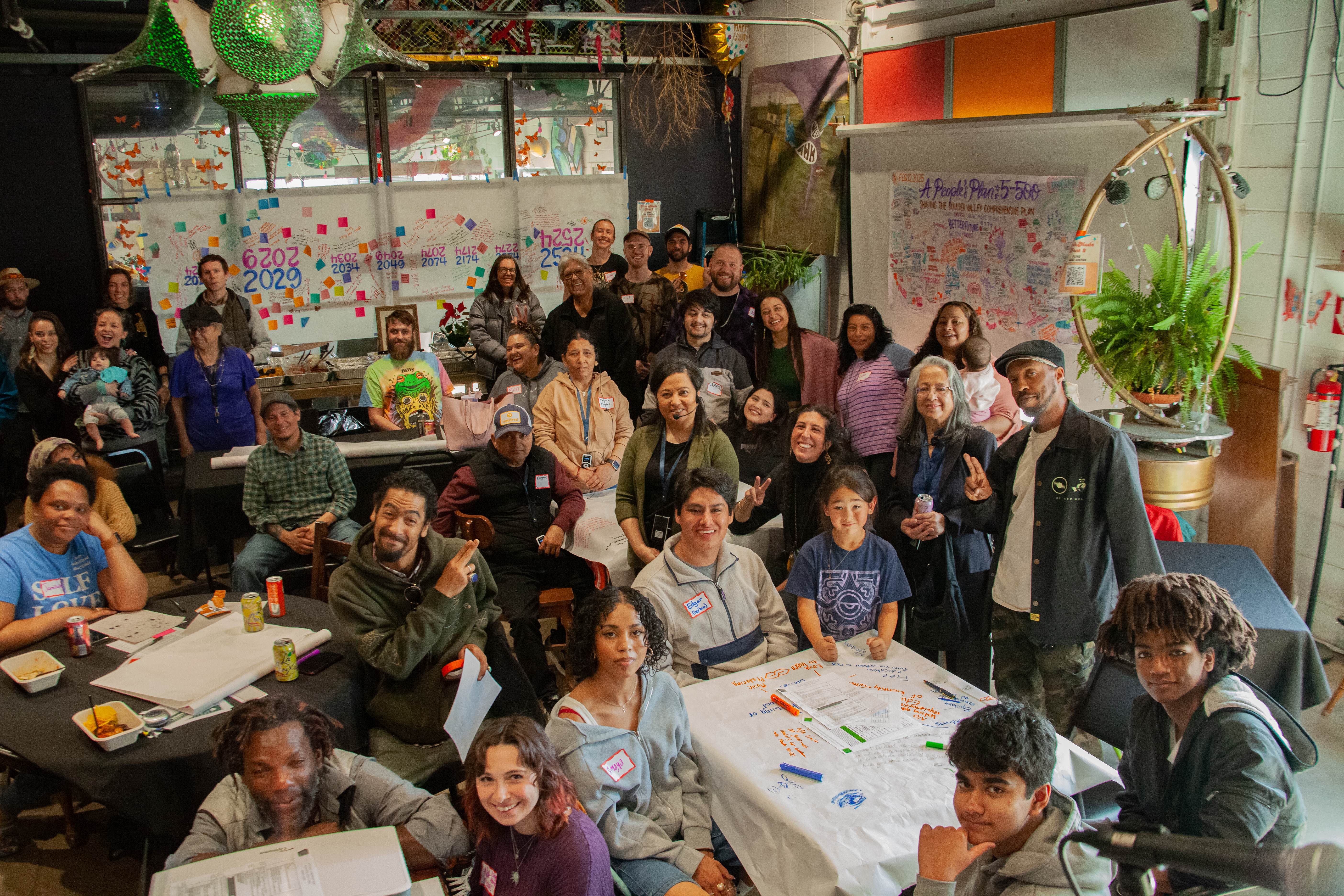
Community members participating in a community-led conversation to inform the vision and values of the plan.
Community members had the opportunity to participate in more than 70 engagement opportunities resulting in thousands of individual comments and points of feedback, including workshops, online feedback forms, a statistically valid survey, pop-ups at community events, community member-hosted conversation groups, office hours with city and county staff and more. Additionally, the city and county partnered with community organizations and local artists who helped connect with and elevate perspectives of historically excluded communities. The team also received more than 500 emails from individuals and advocacy groups.
Throughout the process, the city and county used community input, policymaker guidance, technical analysis, case studies and professional expertise from city and county staff to shape the draft plan, while staying focused on the core outreach and engagement goals of inclusion and equity.
Focus on Racial Equity
For the first time, the city and county applied racial equity tools, such as the Rapid Response Equity Assessment, to the process and draft comprehensive plan policies. These racial equity tools guide users through a process to ensure equitable decisions and practices. The process revealed the potential benefits and burdens embedded in draft plan policies and was used to inform updates and revisions to improve equitable outcomes in the final plan. Additionally, the focus on equity provided insight into potential opportunities to address systemic inequities and potential risks that policies could face during implementation of the plan.
What is Equity?
Equity is an intentional, ongoing process of evaluating and changing policies, practices and systems to eliminate institutional racism and address historical disadvantages that have disproportionately affected people based on gender, sexual orientation, ability, class, age, race or ethnicity. Equity is achieved when all community members have resources and opportunities that they need to thrive. Advancing equity focuses on leveling the playing field and prioritizing efforts that drive towards social justice to improve outcomes for all community members, particularly those most often excluded by government.
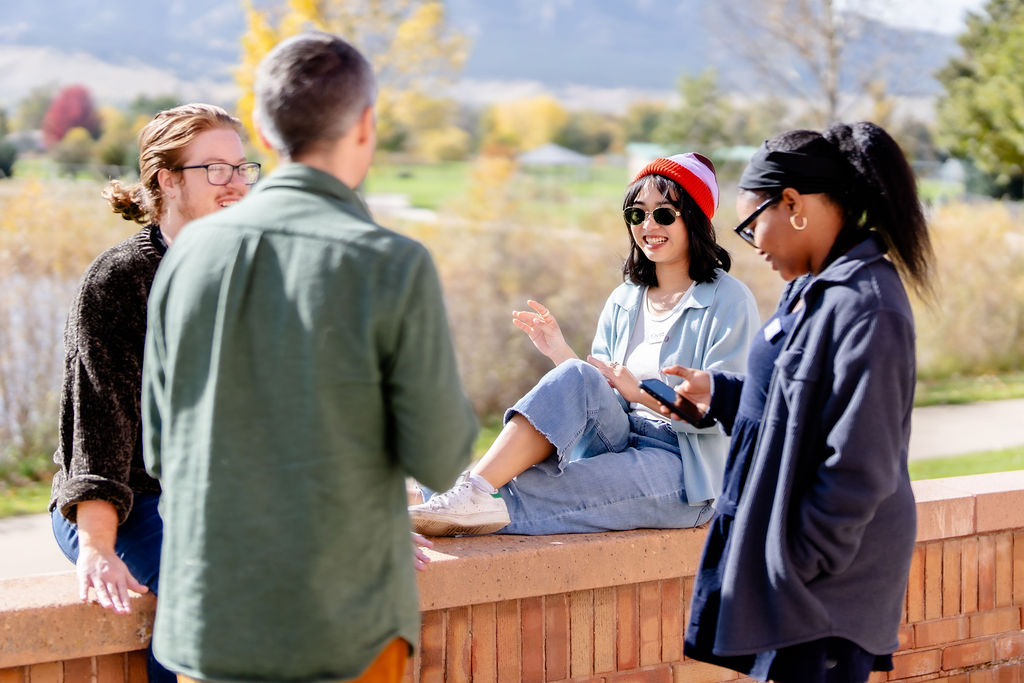
This next chapter of planning aims to create a more inclusive, connected and sustainable future for the Boulder Valley.
Moving Forward
Boulder Valley planning has reflected the values and priorities of its time at each update, helping create the high quality of life many experience today. At the same time, planning decisions are not neutral. They reflect who had access to decision-making and whose voices were heard. Too often, Indigenous people, communities of color, lower-income residents, renters, students, immigrants, people with disabilities and working families were excluded from meaningful participation or directly harmed by policies. Even well-intentioned policies contributed to inequality and rising housing costs and limited who could afford to live in the Boulder Valley. These patterns continue to affect access to housing, opportunities and civic voice today.
Today, our community recognizes that good planning must go beyond physical design and environmental protection. It must also address inequities and remove barriers to participation. This Boulder Valley Comprehensive Plan aims to address many of these challenges by learning from the past and widening participation and belonging today. This next chapter of planning aims to create a more inclusive, connected and sustainable future for the Boulder Valley.