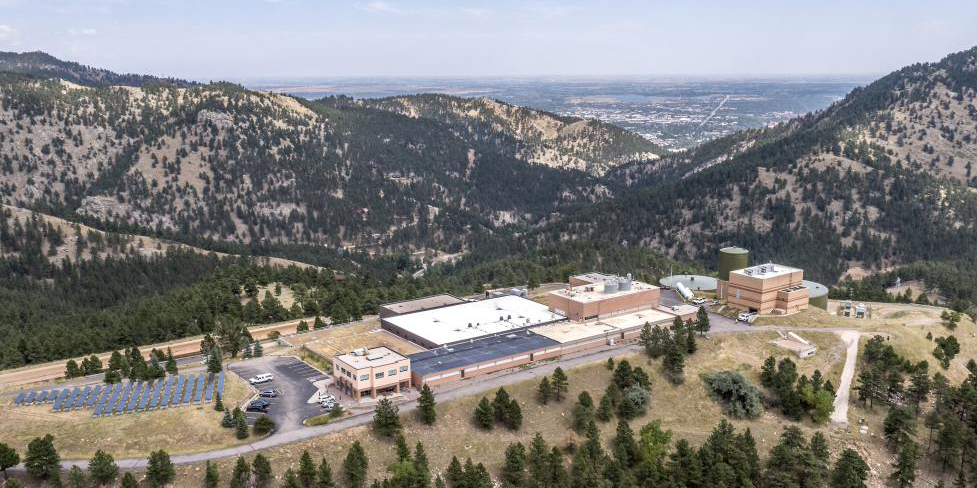
Betasso Water Treatment Plant
Long-term Planning
Boulder has planned carefully over the years to ensure a reliable community water supply guided by comprehensive plan policies and planning projections. The comprehensive plan lays a foundation for the city’s approach to water supply planning, which is informed by the Colorado Water Plan and further detailed in the following city plans:
- 2009 Source Water Master Plan (PDF)
- 2022 Drought Plan (PDF)
- 2023 Water Efficiency Plan (PDF)
- 2023 Source Water Protection Plan (PDF)
Municipal Water Supply Sources
The City of Boulder is the primary water provider for developed lands within Areas 1 and 2. The city provides high-quality, reliable municipal water by diverting raw (untreated) water from its source areas, treating it at one of the city’s two water treatment plants and distributing it through pipelines to customer taps. Proactive and forward-looking water supply planning, management and operations ensures adequate water deliveries to the water treatment plants under a range of conditions.
Boulder’s water supply comes from three sources: Middle Boulder Creek and North Boulder Creek (in the South Platte River basin) and the Colorado River basin through projects managed by the Northern Colorado Water Conservancy District. On average, about one-third of the municipal water supply comes from each of these sources, using a combination of water rights specific to each.
Boulder’s diversity of sources and water rights provides operational flexibility and system redundancy, allowing the city to meet water demands under variable conditions, such as seasonal or annual variation in precipitation and temperature or system outages due to planned maintenance or unexpected events such as wildfire.
Boulder’s water supply is shaped by the natural variability of precipitation and streamflow. Much of the region’s precipitation falls as snow, and when the snowpack melts in the spring and early summer, streamflows are high. During this runoff period, much of the city’s water demand can be met directly from the streams. Because these high flows last only a few months, Boulder captures and stores water in reservoirs during wetter periods for use later in the year. As runoff subsides and streamflows decline in late summer, fall and winter, natural streamflow is not sufficient to meet municipal demand.
During these times, the city supplements stream diversions with water released from storage. City reservoirs also serve as a buffer against drought and therefore are not completely drained every year, ensuring a drought reserve. On a daily basis, the city considers water availability, water rights, water quality, legal requirements, hydroelectric generation potential and infrastructure capacity when determining which sources to use to meet water demand.
Because developing new water supplies is both time- and cost-intensive, Boulder’s water supply planning must look decades ahead to ensure future needs can be met. This forward-looking approach requires making informed assumptions about many unknowns. Key areas of uncertainty include future climate conditions, potential changes in Colorado River management that could reduce water allocations to Front Range communities like Boulder, and how land use and water demand may evolve within the city.
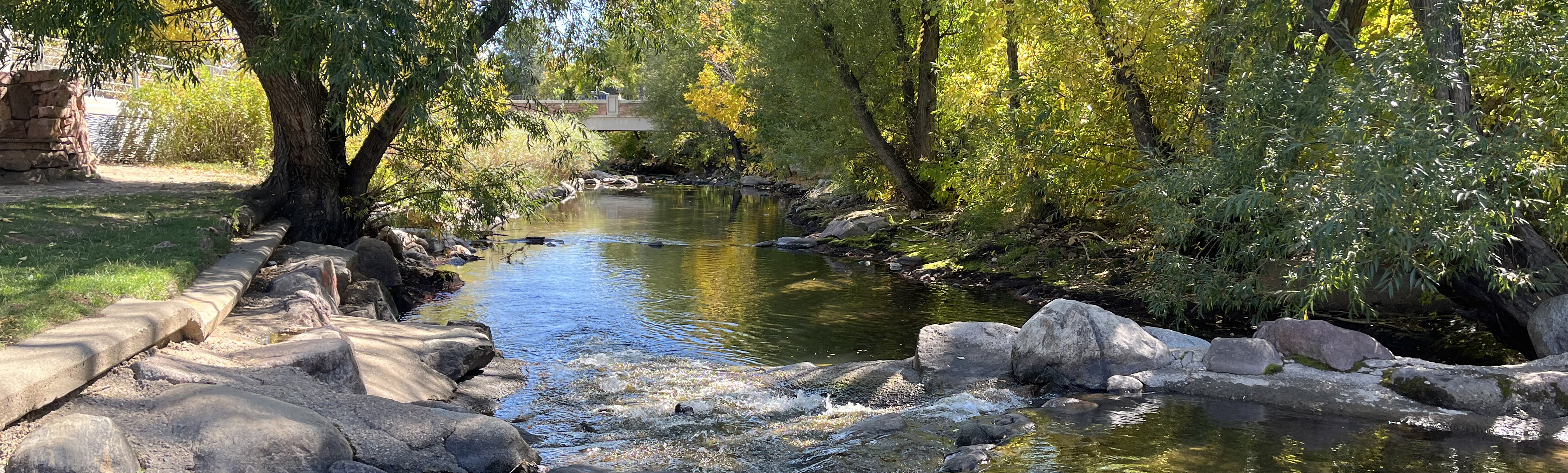
Boulder Creek provides important habitat, recreation, flood management and water supply resources to the community.